
Bubbling Over with Benefits. A Bubbly Brew That’s Stirring Questions
At first glance, it looks like soda with a health halo. Kombucha, the fizzy fermented tea that’s stocked on grocery shelves and in yoga studio fridges alike, has sparked curiosity and controversy in equal measure. With labels boasting organic ingredients and probiotic benefits, it’s no wonder the drink has gained a loyal following. But beneath the carbonation and clever branding lies a common concern: is kombucha actually healthy—or just a sugary disguise?
Let’s unpack the bottle and get to the bottom of what kombucha really does for your body—and whether that Costco Kirkland Organic Ginger Lemonade Kombucha lives up to its wellness promise.
What Is Kombucha, Really?
Fermented, Fizzy, and Full of Life
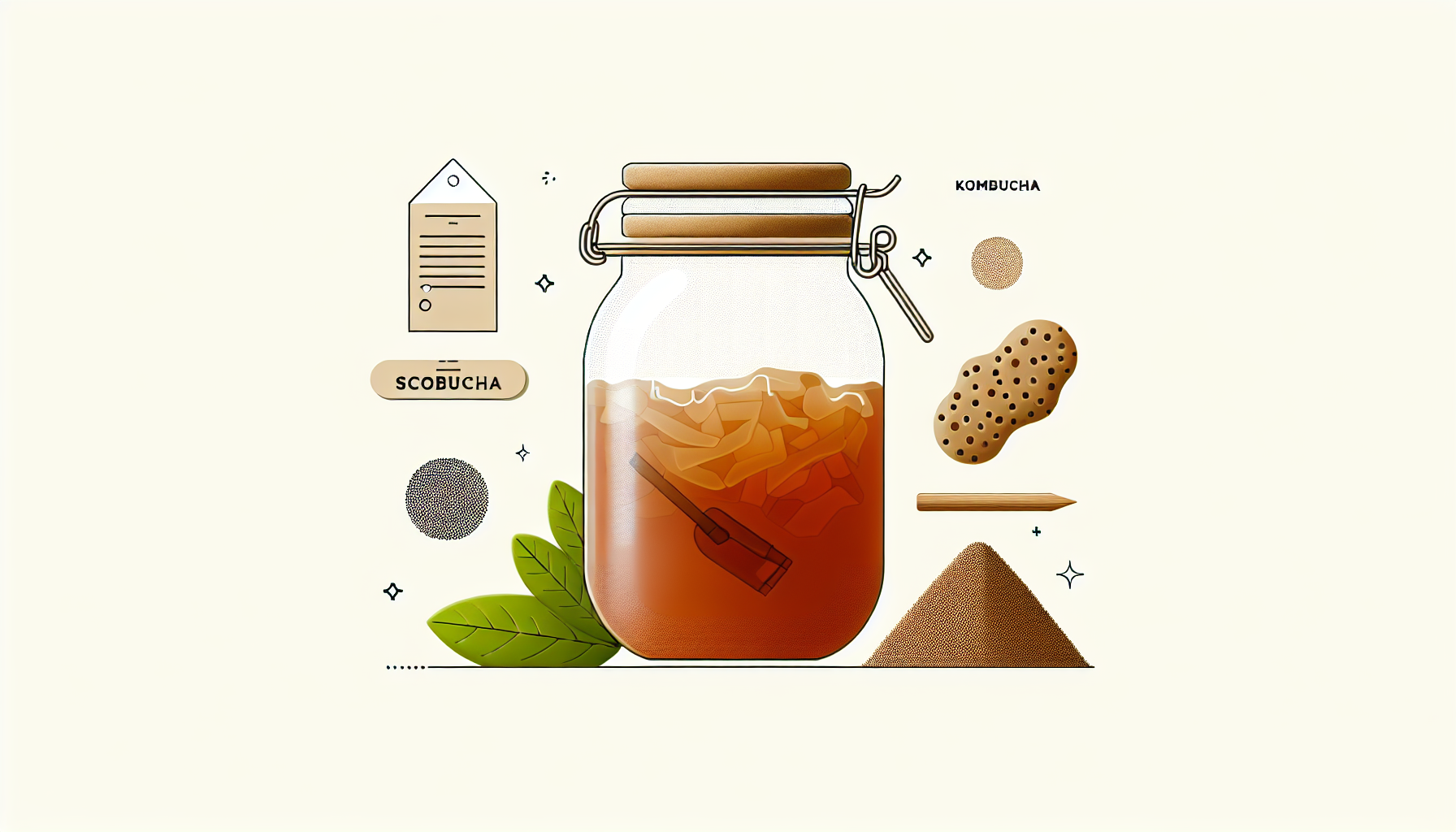
Kombucha is a fermented tea made by adding a symbiotic culture of bacteria and yeast (called a SCOBY) to sweetened black or green tea. Over a period of 7–14 days, the SCOBY consumes the sugar and produces organic acids, trace alcohol, and beneficial bacteria. The result? A tangy, effervescent drink packed with probiotics.
Key Ingredients Include:
- Brewed tea (black or green)
- Sugar (for fermentation)
- SCOBY (Symbiotic Culture of Bacteria and Yeast)
- Natural flavorings (fruit, herbs, or spices)
The Real Benefits of Live Cultures
Probiotics That Support the Gut
The most-touted benefit of kombucha comes from its live cultures—probiotic bacteria that can help balance the gut microbiome. These healthy bacteria may:
- Aid digestion
- Support immune function
- Reduce inflammation
- Improve nutrient absorption
While not all strains in kombucha are the same as those found in yogurt or supplements, the diversity of microbes can still offer general gastrointestinal perks.
But What About the Sugar?
Natural Sweetness—With a Catch
Sugar is essential to the fermentation process, but how much remains in the final product varies by brand. Some kombuchas are fermented longer, resulting in less sugar and a more vinegar-like taste. Others are sweetened post-fermentation to appeal to mainstream palates.
Typical Range:
- 6 to 12 grams of sugar per 8 oz serving
- That’s 12 to 24 grams in a standard 16 oz bottle
Bottom Line: While kombucha has less sugar than soda, it’s not sugar-free. It’s better to check labels—especially if you’re watching your sugar intake.
Are All Kombucha Brands Created Equal?
Some Bottles Are Better Than Others
Yes, some kombucha brands are healthier than others. Factors that affect health value include:
- Sugar content
- Presence of added probiotics
- Type and strength of tea used
- Organic certification
- Use of artificial sweeteners or flavorings
Healthier Brands Tend to Be:
- Refrigerated (indicates live cultures are still active)
- Low in sugar (<10 grams per 16 oz)
- Free from artificial ingredients
- Clearly labeled with probiotic strains
How Does Costco’s Kirkland Organic Ginger Lemonade Kombucha Rate?
A Closer Look at the Big Bottle
The Kirkland Signature Organic Ginger Lemonade Kombucha is a popular, budget-friendly option sold at Costco. Here’s how it stacks up:
Pros:
- USDA Organic Certified
- Contains live probiotics
- Ginger and lemon offer anti-inflammatory and digestive benefits
- Often lower priced per ounce than competitors
Cons:
- Contains 12 grams of sugar per 16 oz bottle (moderate level)
- May be pasteurized, which can reduce live cultures (check label)
Health Rating: 7.5/10
While not the lowest-sugar option, the Kirkland kombucha is a solid mid-range choice for general wellness, especially for those just getting into fermented beverages.
How Much Kombucha Is Too Much?
Moderation Is Key—Even for Probiotics
While kombucha has benefits, more isn’t always better. Drinking too much can lead to:
- Excess sugar intake
- Upset stomach or bloating
- Caffeine overload (from the tea base)
- Potential alcohol sensitivity (contains trace alcohol)
Recommended Amount:
- 3 to 5 servings (16 oz) per week
- Spread out over several days
Tip: Start small—4 to 8 oz per serving—and observe how your body responds.
The Verdict: Is Kombucha Healthy?
Kombucha can be a healthy addition to your diet—when chosen wisely and consumed in moderation. Its live cultures may support digestion and immunity, but sugar content and brand quality matter. Costco’s Kirkland kombucha offers reasonable benefits at a good value, but it’s worth alternating with lower-sugar options if you’re drinking it regularly.
Further Reading & Resources
A medical perspective on kombucha’s health claims and risks from Harvard Health Publishing.
A registered dietitian breaks down kombucha’s benefits and how to choose a good brand.
Learn what the USDA Organic label really means on kombucha and other beverages.
Independent lab testing and rankings of popular kombucha brands for sugar, alcohol, and probiotic content.