Your skin does a lot for you every single day. It helps protect you from the outside world, regulates temperature, and gives you important clues about your overall health. Yet one of the simplest ways to support skin health is also one of the easiest to overlook: stay hydrated. Water matters, but it is only one part of the bigger picture. What you eat, how you sleep, how you move, and how you manage stress all show up in your skin over time.
If you want healthy skin that looks and feels better as you age, the goal is not perfection. It is consistency. Small, natural habits can help support a stronger skin barrier, better moisture balance, and a more vibrant appearance. Whether you are just starting a healthier routine or getting back on track after years of training and busy living, these practical steps can make a real difference.
Why Water Is So Important for Healthy Skin
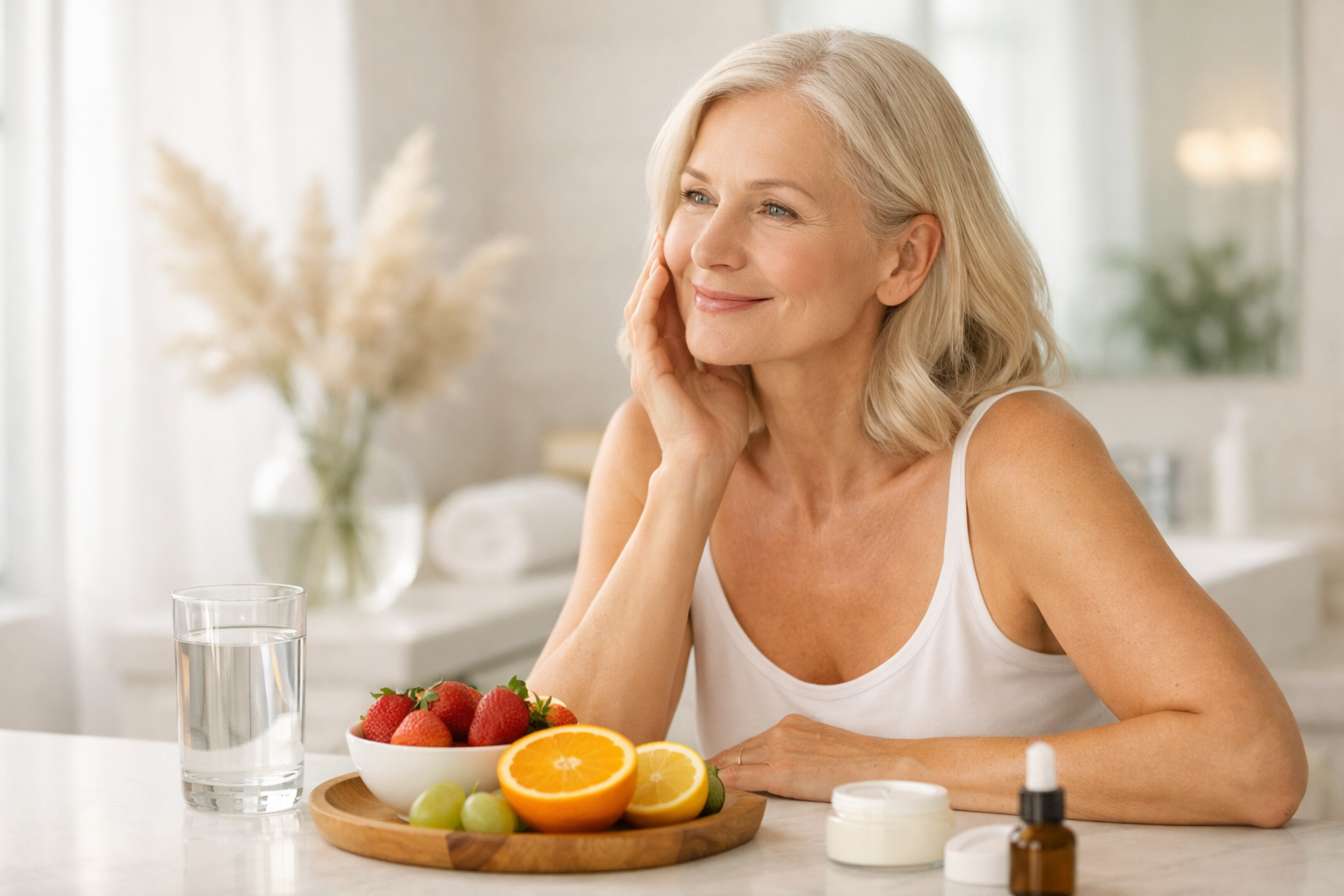
Your skin depends on water to function well. When you are well hydrated, your body can support circulation, nutrient delivery, temperature control, and waste removal more efficiently. All of that matters for your skin. Hydration also helps your skin barrier do its job, which is to keep moisture in and irritants out.
When you are under-hydrated, skin may look dull, feel tight, or become more noticeable with fine lines. That does not mean water is a magic fix for wrinkles, but it does help your skin work better from the inside out. As we age, our skin tends to lose some natural moisture and elasticity, so hydration becomes even more important.
There is also a lifestyle angle here. People who train hard, work long hours, spend time outdoors, or drink a lot of caffeine may be more likely to fall behind on fluids. If that sounds familiar, skin can be one of the first places you notice it.
Simple hydration habits that help
- Drink water consistently through the day instead of trying to catch up all at once.
- Start your morning with a glass of water before coffee.
- Keep a reusable bottle nearby during work, training, or errands.
- Eat water-rich foods like cucumbers, oranges, berries, lettuce, celery, and melon.
- Increase fluids around workouts, hot weather, or travel.
Natural Ways to Support Your Skin Every Day
Healthy skin is rarely about one product or one food. It is more often the result of a steady routine. The good news is that many of the best habits are simple, affordable, and sustainable.
1. Eat enough protein
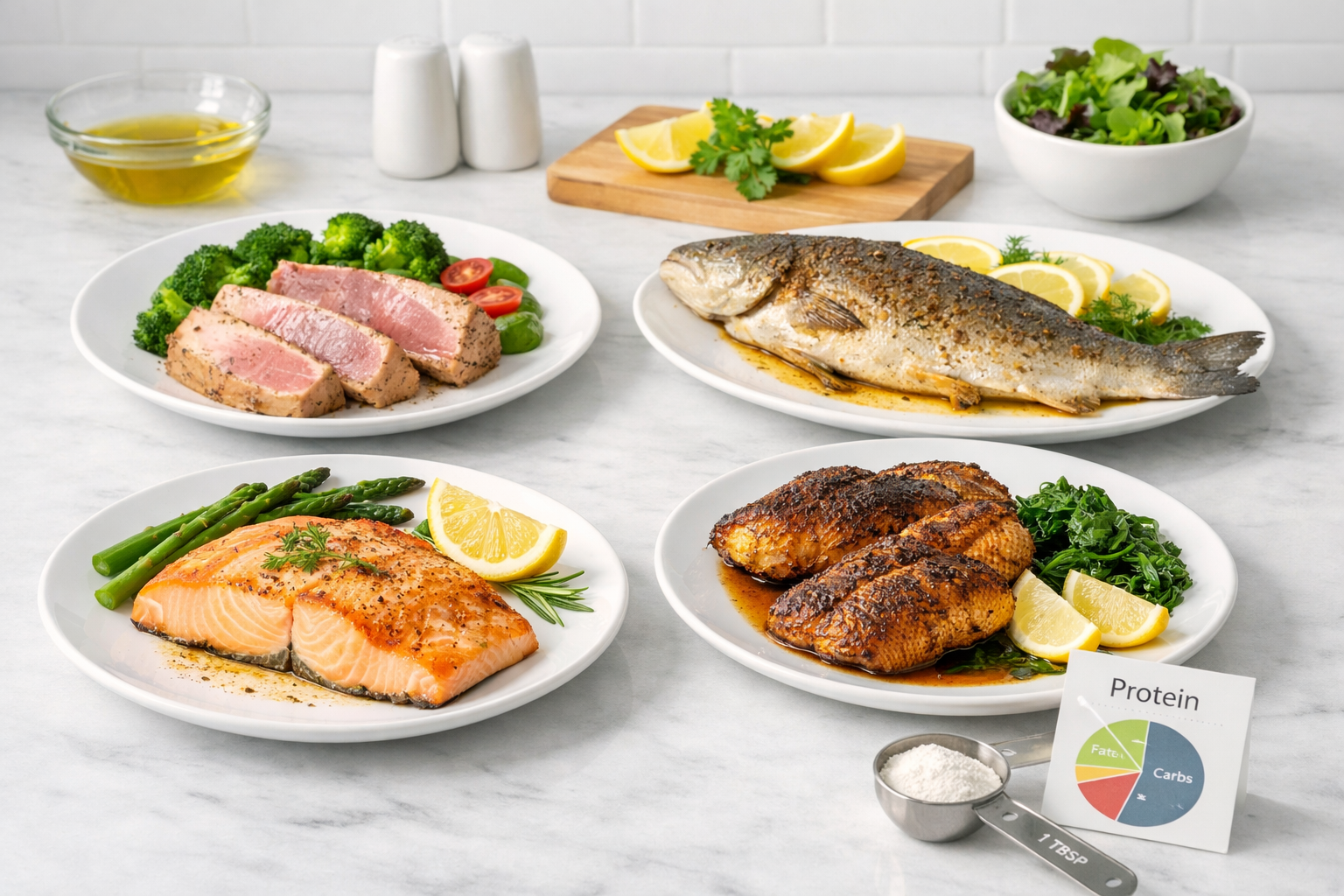
Protein is not just for muscle. Your skin also depends on protein building blocks to maintain structure and repair itself. As we age, protein becomes especially important because the body may not maintain muscle and tissue as easily as it once did. For active adults and former athletes, that matters even more because recovery and tissue repair are part of staying strong.
Good protein choices include eggs, Greek yogurt, chicken, turkey, fish, lean beef, tofu, tempeh, beans, and protein-rich dairy options. A balanced intake helps support overall recovery, which can indirectly benefit skin resilience too.
2. Include healthy fats
Skin needs fat to help maintain moisture and support the skin barrier. That is why healthy fats are so valuable. Omega-3 fats, in particular, are often associated with a more balanced inflammatory response and overall wellness.
Try adding foods like:
- Salmon, sardines, and other fatty fish
- Avocados
- Olive oil
- Walnuts
- Chia seeds and flaxseed
A diet that is too low in healthy fats can leave skin looking and feeling less supple over time.
3. Load up on colorful fruits and vegetables
Fruits and vegetables provide vitamins, minerals, and antioxidants that help protect cells from everyday wear and tear. Skin is constantly exposed to stress from sun, pollution, poor sleep, and the natural aging process. Antioxidant-rich foods help support your body’s defense system.
Great choices include berries, leafy greens, carrots, tomatoes, peppers, sweet potatoes, broccoli, and citrus fruits. The more color on your plate, the better your coverage tends to be.
4. Watch the ultra-processed stuff
No one needs a perfect diet, but too many ultra-processed foods can crowd out the nutrient-dense foods your skin and body need. A diet high in added sugar, refined snacks, and low-quality fats may contribute to inflammation and leave less room for the foods that truly support health.
That does not mean bread, carbs, or occasional treats are off-limits. It means choosing smarter options more often. Whole grains, oats, potatoes, rice, fruit, and quality bread can all fit into a balanced lifestyle when portioned well and paired with protein and fiber.
5. Support skin with sleep
Sleep is one of the most underrated skin tools available. During sleep, the body works on repair, recovery, and hormone balance. Poor sleep often shows up quickly in the face: puffiness, dullness, dark circles, and a tired look are common.
As we get older, sleep quality can become harder to maintain, which makes healthy routines even more important. Consistent sleep can help support not just skin appearance, but also appetite control, energy, training recovery, and mood.
To improve sleep naturally:
- Keep a regular sleep schedule.
- Limit heavy meals and alcohol close to bedtime.
- Reduce screen time before sleep.
- Create a cool, dark, quiet room.
- Get morning light exposure to help regulate your body clock.
6. Keep moving
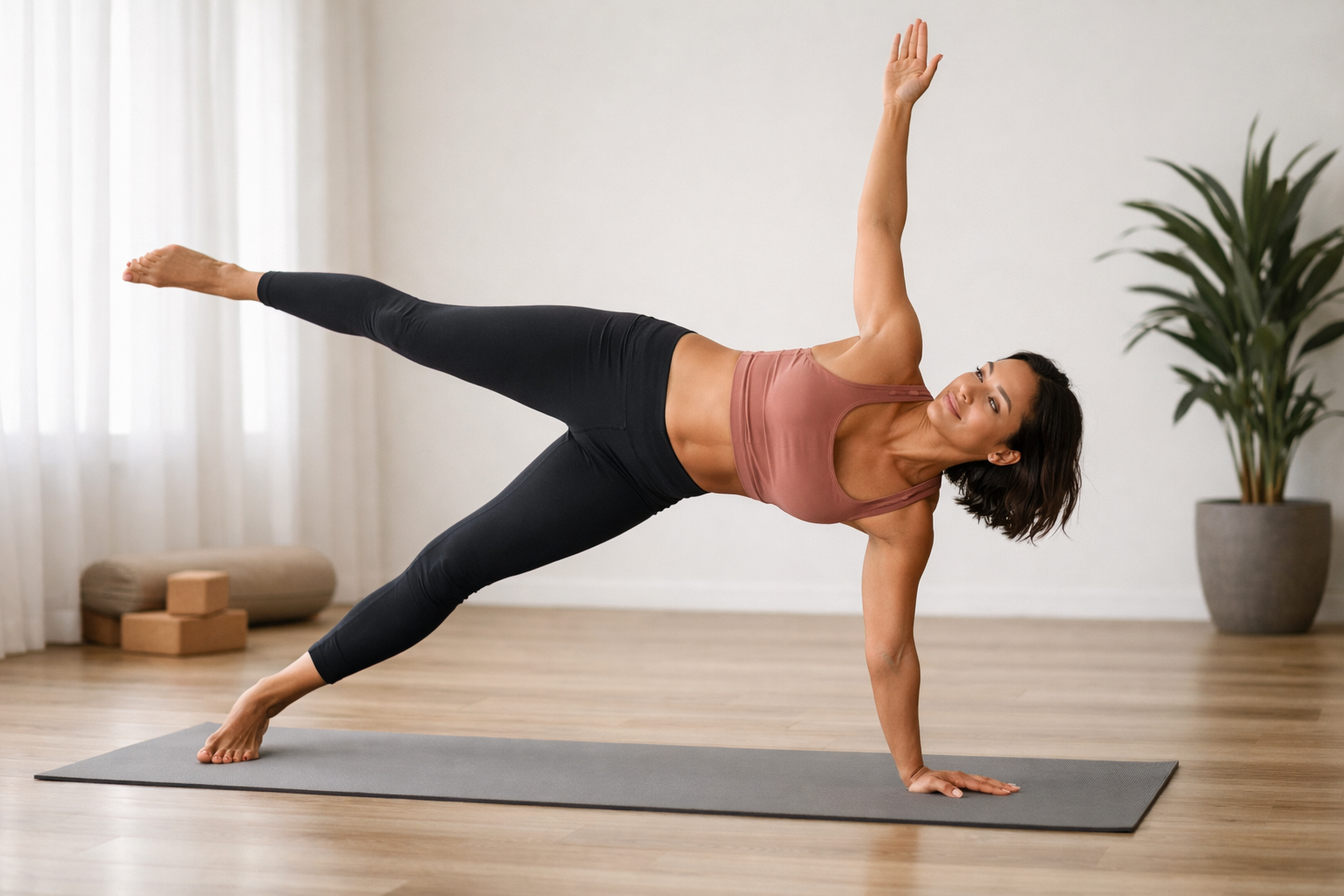
Exercise supports circulation, and good circulation helps deliver oxygen and nutrients throughout the body. That includes the skin. Movement also helps with stress management, blood sugar control, and overall metabolic health, all of which matter as you age.
You do not need extreme workouts to see benefits. Walking, strength training, cycling, mobility work, and moderate cardio all support long-term wellness. For ex athletes trying to rebuild a healthier rhythm, a mix of strength and simple daily movement can be one of the best ways to stay strong without burning out.
7. Protect your skin from the sun
Sun exposure is one of the biggest external factors that can age skin faster over time. While sunshine has benefits, too much unprotected exposure can dry out skin and contribute to premature changes in tone, texture, and elasticity.
Natural support includes:
- Using sunscreen regularly
- Wearing a hat and sunglasses outdoors
- Seeking shade during peak sun hours
- Wearing breathable, protective clothing when needed
This is one of the most practical ways to support healthy-looking skin as you get older.
8. Manage stress before it manages you
Stress can show up physically in many ways, including skin issues. When stress stays high, sleep, digestion, appetite, and recovery can all take a hit. That often leads to more visible fatigue and less overall balance.
Simple stress-reduction habits can help:
- Take short walks during the day
- Use deep breathing for a few minutes at a time
- Train consistently, but not excessively
- Spend time outside
- Build a routine you can actually maintain
Healthy skin usually reflects healthy habits. The goal is not to chase quick fixes. It is to create a daily routine that supports your body from the inside out.
How Skin Changes as We Age
As we get older, skin naturally becomes thinner, drier, and a little less elastic. Oil production often decreases, cell turnover slows down, and the skin barrier can become more vulnerable to dryness and irritation. None of this means you cannot look and feel your best. It simply means your body benefits more from the basics.
That is where water, protein, healthy fats, sleep, and movement become especially valuable. These habits do not just help with skin. They support strength, energy, recovery, and resilience overall. For people who want to stay lean, active, and strong into later life, skin health is really part of the bigger picture of healthy aging.
If you used to train hard and want to regain momentum, start with the fundamentals. Drink enough water. Eat real food. Lift weights and move daily. Sleep well. Protect your skin outdoors. Those basics tend to compound over time.
Key Takeaways
- Water matters because hydration supports skin barrier function, circulation, and overall body repair.
- Protein, healthy fats, and colorful produce help nourish skin from the inside out.
- Sleep and stress management have a direct impact on how skin looks and feels.
- Exercise supports circulation and recovery, which can benefit skin health as well as fitness.
- Sun protection becomes even more important with age because skin naturally becomes more vulnerable over time.
- Small habits done consistently are more effective than chasing quick fixes.
FAQ
How much water should I drink for healthy skin?
There is no one-size-fits-all number, but a simple rule is to drink regularly throughout the day and adjust based on activity, climate, and body size. If you exercise often or sweat a lot, you will likely need more. A good sign is that your urine is usually pale yellow, not dark.
Can drinking more water get rid of wrinkles?
Drinking water helps support hydration and skin function, but it will not erase wrinkles. Wrinkles are influenced by age, genetics, sun exposure, sleep, and lifestyle. Hydration can help skin look healthier, but it works best as part of a bigger routine.
What foods are best for skin as I get older?
Focus on protein-rich foods, healthy fats, fruits, vegetables, and plenty of water. Fatty fish, eggs, yogurt, berries, leafy greens, nuts, seeds, and olive oil are all smart choices. These foods support overall health, which is one of the best ways to support skin.
Does exercise help skin health?
Yes. Regular exercise supports circulation, stress control, sleep quality, and metabolic health. All of those can influence skin over time. You do not need intense training every day; consistent movement is enough to help.
Is dry skin just a normal part of aging?
Some dryness is common as we age, but it is not something you have to ignore. Better hydration, a balanced diet, sun protection, quality sleep, and gentle skin care can all help reduce dryness and support a healthier skin barrier.
Final Thoughts
Healthy skin is not about chasing trends. It is about building a solid foundation. Water is central to that foundation, but so are protein, healthy fats, colorful foods, exercise, sleep, and stress management. These habits support not only how your skin looks, but how your body performs as a whole.
As you age, the basics matter more, not less. The same habits that help you stay lean, active, and strong also help you support skin that looks healthier and feels better every day. Start with one or two changes, stay consistent, and let the results build over time.
Like this article? Please share it. Also, register to follow LINKfit and receive our latest articles once a week. LINKfit – Show up.