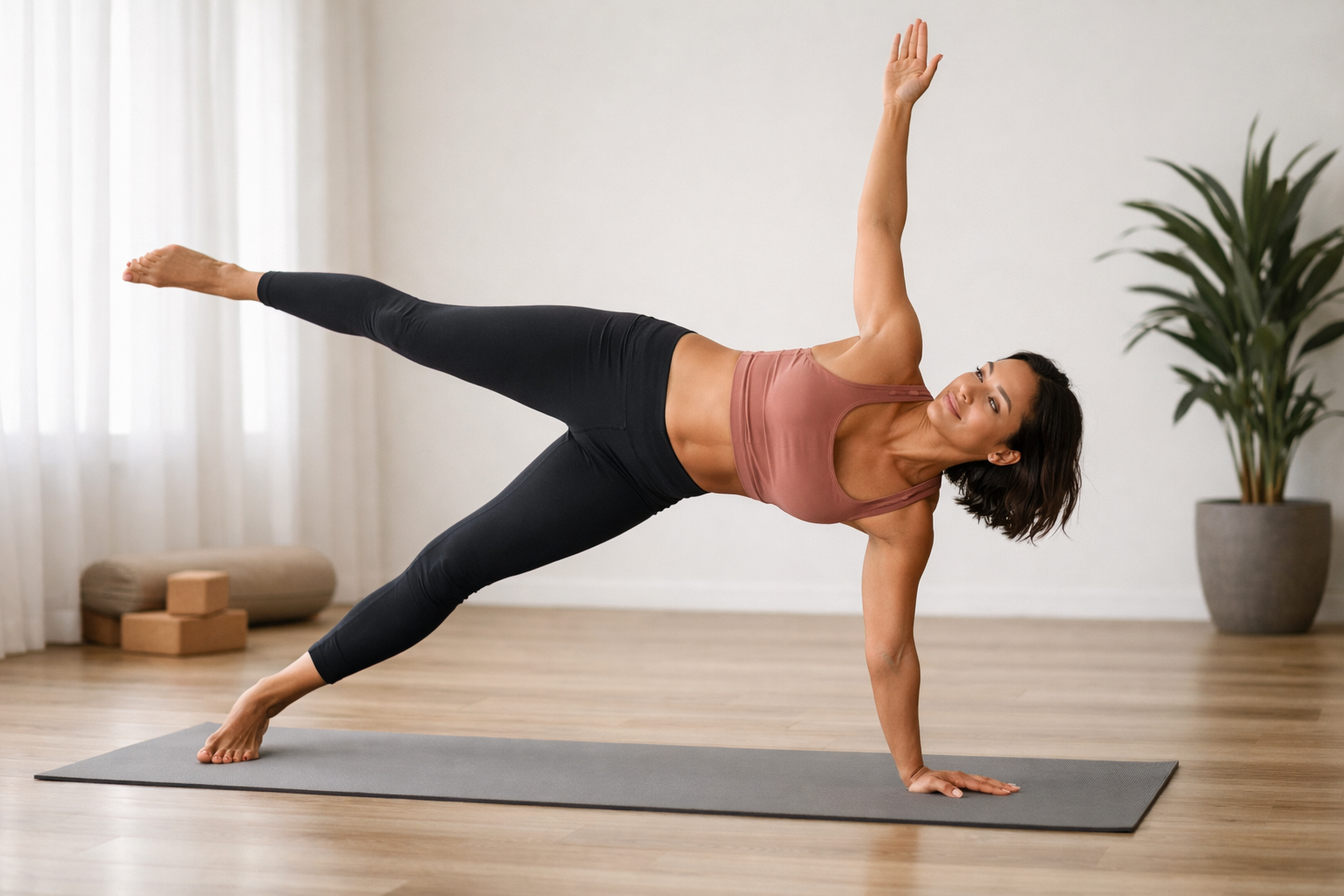
Our bodies are remarkable machines. They are designed to heal, adapt, and move. When you give your body regular movement, you are not just “working out” — you are feeding it something it needs to stay healthy, strong, and resilient.
The key is not to force yourself into an activity you dread. It is to find what moves you. When you enjoy the movement, motivation becomes easier to maintain. Whether it is walking, running, biking, hiking, dancing, swimming, or something else entirely, the best activity is the one you will return to again and again.
That matters for beginners, for people getting back into shape, and for former athletes who want to reconnect with a healthier routine. It also matters as we age. Movement supports strength, balance, mobility, energy, and confidence at every stage of life.
Why movement matters more than intensity
Many people assume exercise only “counts” if it is intense, sweaty, and exhausting. In reality, consistency is far more important than punishment. A moderate walk that you actually enjoy is often more valuable than an all-out workout you quit after a week.
Your body responds to movement in many ways:
- It supports circulation and heart health.
- It helps maintain joint mobility and muscle function.
- It can improve balance and coordination.
- It encourages better energy levels throughout the day.
- It supports healthy aging and everyday independence.
Movement is nourishment. It helps your body function the way it was meant to function. And unlike many things in health, it does not have to be complicated to work.
Find the activity that feels natural to you
The most sustainable movement habits usually start with enjoyment. If you like the activity, you are much more likely to keep doing it. That is why there is no single perfect workout for everyone.
Ask yourself what you naturally enjoy
Think back to the kinds of movement that have felt good in the past. Did you enjoy being outside? Did you like steady-paced cardio? Did you prefer solo time or a group setting? Did you like a challenge, or do you feel better with something calm and simple?
Some people thrive with:
- Walking for its simplicity and accessibility
- Running for its rhythm and sense of progress
- Biking for low-impact endurance and outdoor enjoyment
- Hiking for fresh air, scenery, and variety
- Swimming for a joint-friendly full-body option
- Strength training for confidence, muscle support, and function
- Dancing for fun, music, and expression
You do not need to choose only one. In fact, many people stay more consistent when they rotate between a few activities they enjoy.
Choose based on joy, not ego
It is easy to compare yourself to others and assume you need the hardest program to make progress. But the goal is not to impress anyone. The goal is to build a habit that supports your life.
The best movement plan is the one you can sustain with a smile.
If a walk at lunch helps you feel refreshed, that matters. If a weekend hike clears your mind, that matters. If a bike ride after work gives you energy, that matters. You do not need to “earn” movement by suffering through it.
How to build movement into real life
One of the biggest barriers to exercise is making it feel like a separate chore. The more you can integrate movement into your normal routine, the easier it becomes to stick with it.
Start with what fits your schedule
Look at your week honestly. Where are the windows for movement? It may be 10 minutes in the morning, a lunch break walk, or a short session after dinner. Shorter sessions still count. A little movement done regularly can create a meaningful routine.
If your schedule is unpredictable, focus on flexibility rather than perfection. A walk around the block, a few mobility exercises, or an easy bike ride all count as successful movement.
Make it easy to begin
The biggest obstacle is often the first step. Make that step smaller:
- Lay out your shoes the night before.
- Keep a water bottle ready.
- Choose a route in advance.
- Set a realistic time goal instead of an intimidating distance goal.
- Invite a friend or family member to join you.
When starting feels simple, the habit is easier to repeat.
Use enjoyment as your guide
Ask yourself after each session: Did this feel good? Did I feel better afterward? Did I want to do it again? Those answers are powerful. They help you fine-tune your routine around what truly supports your body and mind.
Even if an activity is challenging, it should still have something rewarding about it. Maybe it is the scenery, the music, the sense of progress, or the feeling of stress melting away. Find the part you look forward to and build around it.
The benefits go far beyond physical fitness
Movement does more than strengthen muscles or burn calories. It can affect your mood, stress response, and overall sense of well-being in a very real way.
Movement supports a healthier mind
When you move your body, you often give your mind a break from constant thinking, worrying, or screen time. That change of focus alone can be powerful. Many people notice they feel clearer, calmer, and more centered after even a short bout of activity.
Regular movement can help:
- Lighten stress levels
- Improve mood
- Increase mental clarity
- Support better sleep habits
- Boost confidence and motivation
That is why movement is so valuable during busy or stressful seasons of life. It is not just about physical health. It is also an investment in how you feel day to day.
Healthy habits reinforce healthy aging
As we get older, staying active becomes even more important. Regular movement supports balance, mobility, strength, and independence. It also helps many adults feel more capable in everyday tasks, from carrying groceries to climbing stairs to keeping up with family activities.
The good news is that it is never too late to start. If you have been inactive for a while, begin where you are. Gentle walking, light strength training, stretching, and low-impact activities can all be excellent entry points.
What matters most is consistency, patience, and listening to your body as you build up gradually.
Keep going by setting the right expectations
People often quit because they expect immediate transformation. But movement works best as a long-term practice, not a quick fix. Progress may look different from one person to another. For some, it is improved endurance. For others, it is reduced stiffness, better mood, or simply having more energy during the day.
Try to focus on these markers instead of chasing perfection:
- Do I feel better after moving?
- Am I more consistent than I was last month?
- Is this activity something I can realistically keep doing?
- Am I recovering well and staying pain-free?
If the answer is yes, you are on the right track.
Support movement with recovery and good nutrition
To keep moving well, your body also needs recovery. Sleep, hydration, rest days, and balanced nutrition all play a role. Protein is especially important for supporting muscle repair and maintaining strength as you age. When your recovery is strong, your movement feels better and becomes easier to sustain.
Think of it as a complete system: movement, recovery, and fuel all work together.
Key takeaways
- Movement is nourishment. Your body is designed to move, and regular activity supports overall health.
- Enjoyment drives consistency. Choose activities you look forward to so it is easier to keep going.
- Intensity is not the main goal. A walk, bike ride, or hike can be just as valuable as a harder workout if you stick with it.
- Movement helps the mind too. It can reduce stress, lift your mood, and improve your overall sense of well-being.
- It is never too late to start. Beginners, active adults, and former athletes can all benefit from finding their own pace.
FAQ
What is the best exercise for getting started?
The best exercise is the one you can do consistently and enjoy. For many people, walking is the easiest starting point because it is accessible, low-cost, and easy to adjust to your fitness level.
Do I need to work out hard to see benefits?
No. While higher-intensity exercise has its place, regular moderate movement offers many health benefits. Consistency matters more than pushing yourself to exhaustion.
What if I get bored easily?
Try rotating between a few activities. For example, you might walk during the week, hike on weekends, and add a bike ride or strength session when you want variety. Music, podcasts, and training with a friend can also help.
Is it okay to start with short sessions?
Absolutely. Even 10 to 15 minutes at a time can build momentum. Short sessions are often the best way to make movement feel manageable and realistic.
How do I stay motivated long term?
Focus on enjoyment, not just results. Choose activities that fit your lifestyle, make them easy to start, and pay attention to how you feel afterward. When movement improves your energy and mood, motivation becomes much easier to maintain.
Ready to move with purpose?
Finding what moves you is one of the simplest and most effective ways to support your health. You do not need the perfect plan. You need an activity you enjoy enough to repeat. Start with what feels good, stay consistent, and let the benefits build over time.
Like this article? Please share it. Also, register to follow LINKfit and receive our latest articles once a week. LINKfit – Show up.