Nightshade vegetables have a strange reputation. For some people, they are everyday staples. For others, they are blamed for inflammation, joint pain, and even poor recovery. The truth is more practical than the headlines: nightshades can be nutritious, and for most people, they do not cause problems when eaten in normal amounts. But like many foods, a small number of people may be sensitive to them, and the way they are prepared matters a lot.
If you have ever wondered whether tomatoes, potatoes, peppers, or eggplant should stay on your plate, this article breaks down the facts in a clear, balanced way.
What are nightshade vegetables?
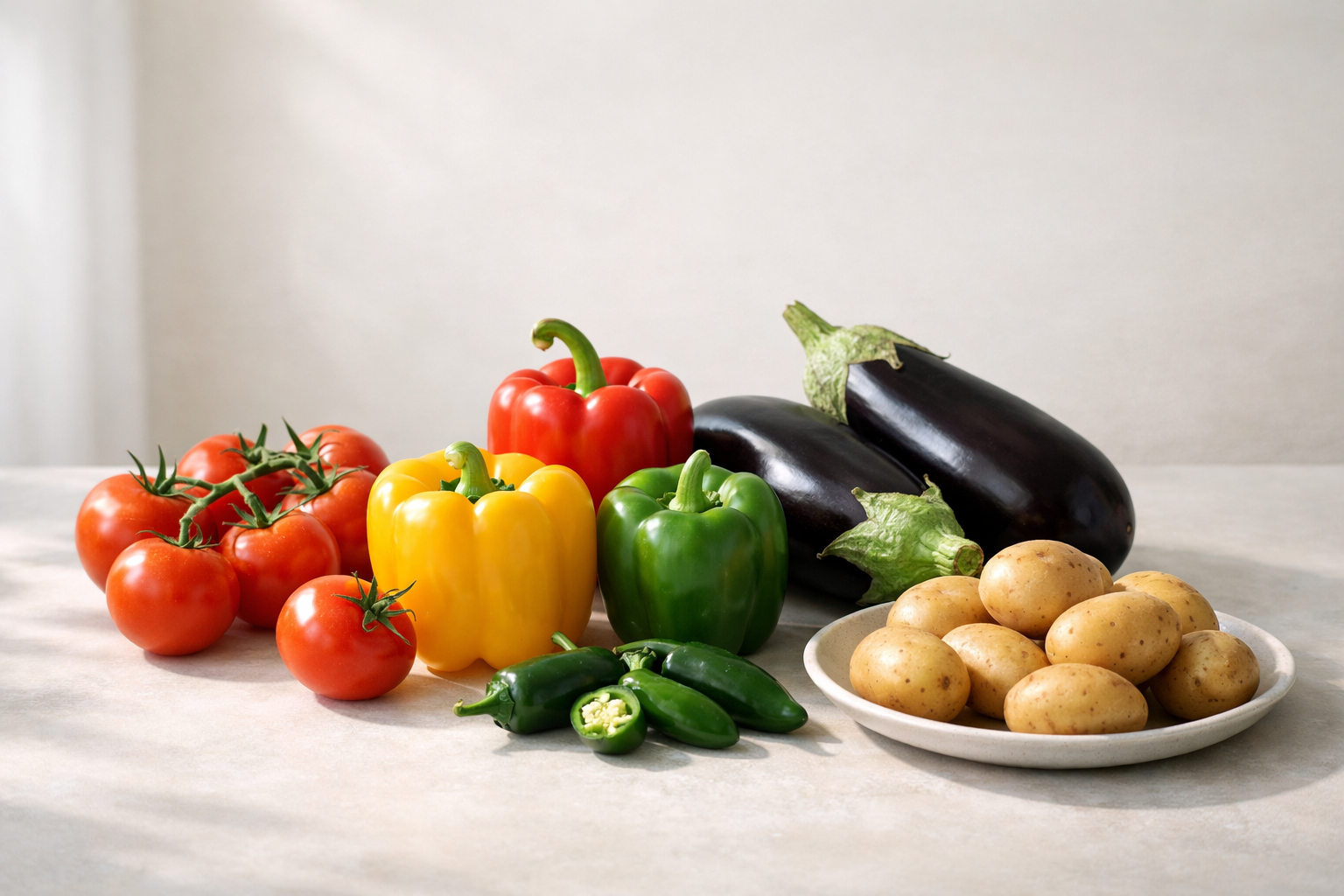
Nightshades are part of the plant family called Solanaceae. The edible nightshades most people recognize include:
- Tomatoes
- White potatoes
- Peppers such as bell peppers, jalapeños, and chili peppers
- Eggplant
- Tomatillos
- Spices made from peppers, such as paprika and cayenne
It is worth noting that sweet potatoes are not nightshades. They are often confused with regular potatoes, but they belong to a different plant family.
The nutritious benefits of nightshade vegetables
Nightshades are not just safe for most people; they can also be an important part of a healthy diet. Many of them are naturally rich in vitamins, minerals, and protective plant compounds.
They provide key vitamins and minerals
Different nightshades offer different nutrients, but many are strong sources of:
- Vitamin C, which supports immune function and tissue repair
- Vitamin A and carotenoids, which support eye health and immune health
- Potassium, important for muscle function and heart health
- Vitamin K, which plays a role in blood clotting and bone health
- Fiber, especially in tomatoes, peppers, and eggplant
They are rich in antioxidants
Many nightshades contain antioxidants that help protect cells from damage caused by everyday stress and normal metabolism. For example:
- Lycopene in tomatoes is linked to heart health and may support healthy aging
- Capsaicin in hot peppers is studied for its role in metabolism and pain relief
- Anthocyanins in some eggplants provide additional antioxidant support
In real life, that means a plate of roasted vegetables, salsa, tomato sauce, or grilled peppers can contribute meaningful nutrition without being complicated.
They fit into performance and recovery-friendly eating
For active people, nightshades can be especially useful because they are versatile and easy to combine with protein and whole grains. A potato can be a good source of carbohydrates after training. Tomatoes and peppers can add flavor and micronutrients without a lot of calories. Eggplant can help create satisfying meals that are higher in fiber and more filling.
The bigger nutrition picture matters more than a single food group. A balanced diet built around whole foods, enough protein, quality carbs, healthy fats, and plenty of plants will matter far more than whether you eat tomatoes or not.
Can nightshade vegetables cause inflammation and joint pain?
This is where the conversation gets messy. Nightshades are often accused of causing inflammation, arthritis flares, or joint pain. However, there is not strong scientific evidence showing that nightshade vegetables cause inflammation in most people.
That does not mean nobody ever reacts to them. It means the reaction is not common enough, or consistent enough, to support the idea that nightshades are a universal problem.
Why some people think nightshades are inflammatory
Nightshades contain natural compounds such as alkaloids and glycoalkaloids. In very large amounts, some of these compounds can be irritating. But the amounts found in normal portions of food are usually low.
Here is the important distinction:
- Normal servings of ripe tomatoes, peppers, eggplant, and properly stored potatoes are generally safe for most people.
- Green, sprouted, or damaged potatoes can contain higher levels of solanine and should not be eaten.
- Processed versions like fried potatoes, heavily salted chips, or sugary sauces may cause problems, but often because of the added ingredients, not the nightshade itself.
Could they trigger symptoms in some people?
Yes, some individuals report that nightshades seem to worsen joint pain, digestion, or general discomfort. That does not automatically mean the vegetables are the root cause for everyone. Possible explanations include:
- An individual food sensitivity
- A digestive issue such as reflux or irritable bowel symptoms
- Symptoms from other ingredients in a dish, such as oil, salt, or spice levels
- The natural ups and downs of chronic conditions like arthritis
In other words, a food reaction can be real for a person even if the food is not a problem for the general population.
Is it an issue of overconsumption?
Sometimes, yes. Eating a very large amount of any food can lead to discomfort. For nightshades, this is more likely to happen with:
- Large portions of fried potatoes
- Heavy tomato-based sauces with lots of sodium or sugar
- Very spicy peppers in amounts your stomach does not tolerate
- Improperly stored potatoes
So the problem is often not the category itself, but the portion size, preparation, and the total diet pattern.
Tom Brady and nightshades: why did he avoid them?
Tom Brady became famous not only for his longevity and discipline, but also for his strict eating habits. According to reports about the TB12 approach, he avoided nightshade vegetables because he believed they could contribute to inflammation and interfere with recovery and performance.
His approach was highly personal and performance-focused. It also reflected a broader belief in reducing foods that he thought might create inflammation in his body. That said, this is best understood as his individual strategy, not a proven rule for everyone.
It is also important to separate personal preference from solid nutrition science. Brady’s food choices helped define his routine, but that does not mean all active people need to follow the same restrictions. Many healthy athletes and fitness enthusiasts perform well while eating nightshades regularly.
Should the average active person avoid nightshades?
For most people, the answer is no.
If you are active, train regularly, walk often, or simply want to maintain a healthy lifestyle, nightshade vegetables can be part of a smart eating pattern. They offer nutrients, flavor, and variety without needing to be removed by default.
Instead of cutting them out because of general claims, ask a better question: Do they actually cause symptoms for you?
If the answer is no, there is no strong reason to avoid them.
When it may make sense to test an elimination
A short trial without nightshades may be reasonable if you consistently notice symptoms after eating them, especially if you have:
- Ongoing joint pain that seems linked to meals
- Digestive upset after tomato sauces or peppers
- An autoimmune condition and a strong suspicion that one or more foods are triggering symptoms
If you try removing them, do it in an organized way. Eliminate them for a few weeks, track how you feel, and then reintroduce them one at a time. That makes it easier to tell whether the food is truly the issue.
A simple self-check approach
- Keep a short food and symptom log for 1 to 2 weeks.
- Notice whether nightshades appear before discomfort.
- Remove them completely for 2 to 4 weeks if needed.
- Reintroduce one food at a time and watch for changes.
- If symptoms continue, talk with a healthcare professional or registered dietitian.
How to enjoy nightshades in a balanced way
If you tolerate them well, there is no need to fear nightshades. A few simple habits can help you get the most benefit from them:
- Choose whole-food forms such as fresh tomatoes, roasted peppers, and baked potatoes
- Pair them with protein for balanced meals and better recovery
- Use healthy cooking methods like baking, grilling, roasting, or sautéing lightly
- Watch added sodium and sugar in sauces, soups, and packaged products
- Store potatoes properly and discard any that are green, sprouted, or spoiled
A simple example: grilled chicken, roasted potatoes, and a side of peppers and tomatoes can be an excellent meal for an active person. It is practical, filling, and nutrient-dense.
Key takeaways
- Nightshade vegetables are not inherently unhealthy. Many are rich in vitamins, fiber, and antioxidants.
- Most people do not need to avoid them. There is limited evidence that normal servings cause inflammation or joint pain in the general population.
- Some people may be sensitive. If you notice a consistent pattern, a short elimination and reintroduction plan can help.
- Preparation matters. Fried, heavily processed, or poorly stored nightshades can cause problems that have more to do with quality than the vegetable family itself.
- Tom Brady’s choice was personal. His avoidance of nightshades was part of his own performance strategy, not a universal rule for everyone.
FAQ
Are nightshade vegetables unhealthy?
No. For most people, they are nutritious and fit well into a balanced diet. Tomatoes, peppers, eggplant, and potatoes can all contribute important vitamins, minerals, and antioxidants.
Can tomatoes or peppers cause arthritis?
There is no strong evidence that they cause arthritis in the general population. Some people with arthritis say they feel better avoiding them, but that appears to be individual rather than universal.
Are potatoes bad for recovery or body composition?
Not necessarily. Potatoes can be a useful source of carbohydrates, especially after workouts. The main concern is usually how they are prepared. Baked or roasted potatoes are very different from deep-fried versions loaded with extra fat and sodium.
What if I think nightshades bother me?
Track your meals and symptoms, then remove nightshades for a few weeks if needed. Reintroduce them one at a time to see whether the reaction is real and repeatable. If symptoms are severe or ongoing, seek professional guidance.
Should older adults avoid nightshades?
Not by default. Older adults can benefit from the nutrients and fiber in nightshade vegetables just like anyone else. Only avoid them if you personally notice they cause symptoms.
Final thoughts
Nightshade vegetables have earned a lot of blame they do not always deserve. For most active people, they are healthy, useful foods that can support energy, recovery, and overall wellness. If you feel fine eating them, there is no good reason to cut them out just because of internet noise or broad claims about inflammation.
If you are one of the people who truly notices discomfort after eating them, that is worth paying attention to. The goal is not to defend a food at all costs. The goal is to build a diet that helps you feel, move, and live better.
Like this article? Please share it. Also, register to follow LINKfit and receive our latest articles once a week. LINKfit – Show up.