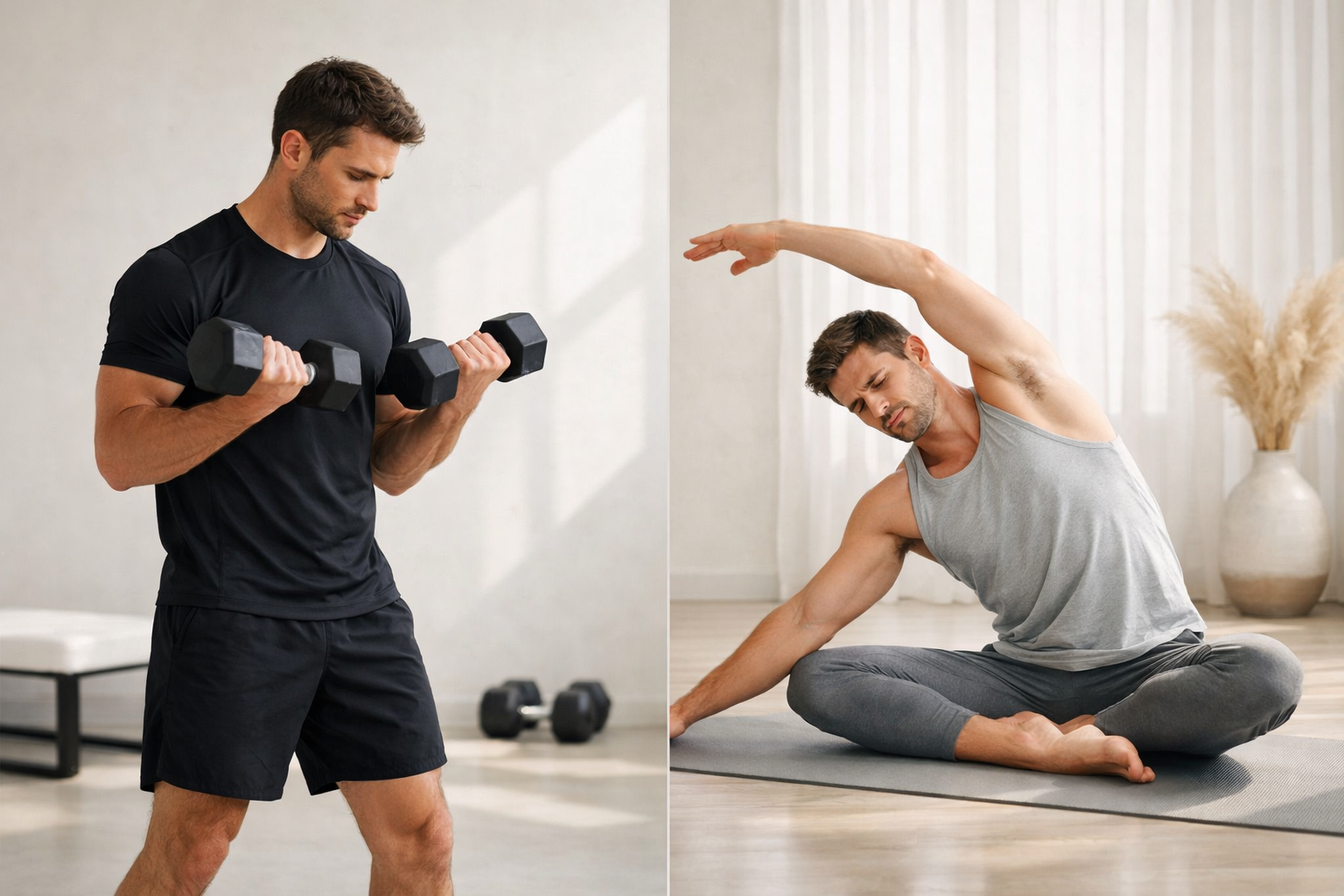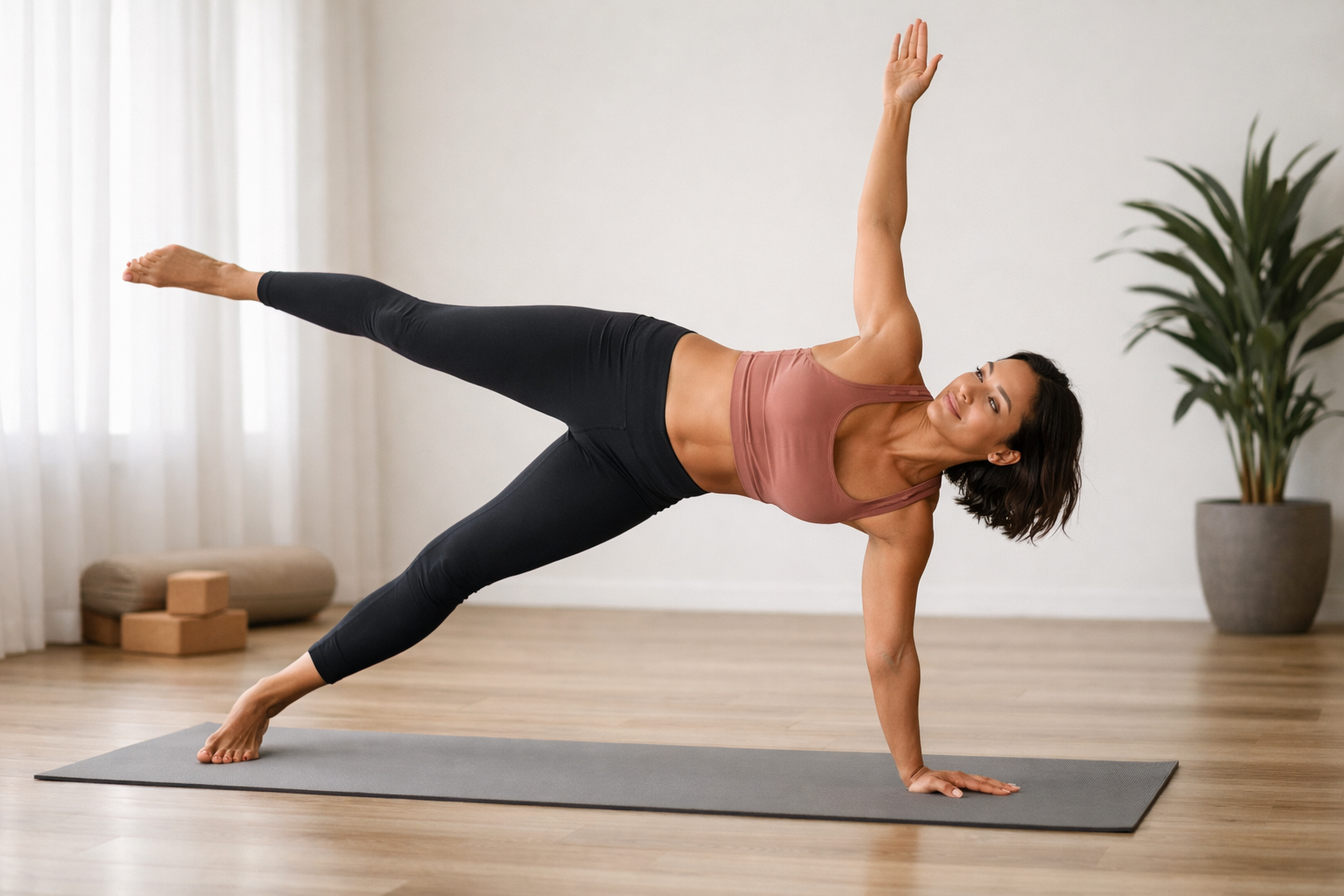
Vinyasa Yoga, often called Flow Yoga, is one of the most accessible and rewarding ways to build a healthier, more balanced body. It blends movement, breathing, and focus into a practice that can challenge athletes, support beginners, and help everyday people move with greater ease. Whether your goal is to improve mobility, recover from time away from training, or simply feel better in your body, Vinyasa Yoga offers a practical path forward.
What makes it so effective is its rhythm. Instead of holding one position for a long time, Vinyasa links poses together in a steady sequence, guided by the breath. That creates a moving practice that can be energizing, grounding, and highly adaptable. You do not need to be flexible, experienced, or particularly spiritual to benefit from it. You just need a willingness to breathe, move, and pay attention to how your body responds.
What Is Vinyasa Yoga?
Vinyasa Yoga is a style of yoga built around smooth transitions between postures. The word vinyasa is often translated as “to place in a special way,” which reflects the intentional relationship between breath and movement. In a typical class, you may move through standing poses, balances, floor work, and gentle stretches in a continuous sequence.
Because the practice flows from one posture to the next, many people describe it as active meditation. Your attention stays focused on alignment, breathing, and rhythm, which helps quiet mental noise while also training the body.
Why Vinyasa Yoga Is So Effective
Vinyasa Yoga stands out because it works on several levels at once. It supports physical fitness, mobility, recovery, and mental clarity without requiring specialized equipment or an advanced starting point. For people who want a workout that feels purposeful rather than repetitive, this style can be a strong fit.
1. It Builds Body Control
One of the biggest benefits of Flow Yoga is improved body awareness. Moving through sequences teaches you how to control posture, balance, and transitions. That awareness carries over into daily life and athletic training alike.
Body control is not just about looking coordinated. It helps with safer lifting, better running mechanics, improved posture, and more confidence in movement. Over time, you become better at recognizing where your body is in space and how to adjust when something feels off.
2. It Improves Muscle Stretching and Mobility
Modern life leaves many people tight through the hips, shoulders, hamstrings, and back. Vinyasa Yoga helps open those areas through dynamic stretching and controlled movement. Rather than forcing flexibility, it encourages the body to lengthen gradually and naturally.
This matters for anyone who trains regularly. Strength work, cycling, running, and even long hours at a desk can create stiffness. Flow Yoga offers a useful counterbalance by restoring range of motion and making the body feel less restricted.
3. It Supports Meditative Breathing
Breath is central to Vinyasa Yoga. The practice encourages you to match movement with controlled inhales and exhales, which can help regulate effort and keep the mind focused. This breathing pattern is one of the reasons the practice feels both challenging and calming.
For many people, meditative breathing is the bridge between exercise and stress relief. It gives the nervous system a chance to settle while still allowing the body to work. That makes Vinyasa Yoga especially valuable on busy days or after demanding workouts.
4. It Promotes Relaxation and Stress Relief
Although Flow Yoga can be physically active, it often leaves people feeling more relaxed rather than more drained. The combination of movement, breathing, and concentration can reduce mental tension and help shift the body out of constant stress mode.
This is one reason so many people use Vinyasa Yoga as part of their recovery routine. It can help ease the mind after work, reset the body after training, and create a clear transition between a busy day and a calmer evening.
5. It Can Improve Conditioning
Vinyasa Yoga is not a replacement for every type of strength or cardio work, but it can absolutely contribute to overall conditioning. Many classes raise the heart rate, challenge muscular endurance, and build stamina through repeated movement patterns.
For athletes, that means better support for performance. For people working back into shape, it means a lower-barrier way to rebuild work capacity, coordination, and movement tolerance without jumping straight into high-impact training.
Why Vinyasa Yoga Works for Men and Women of All Ages
One of the best things about Vinyasa Yoga is its versatility. It is often associated with flexibility, but in reality it supports much more than that. Men and women of different ages and ability levels can benefit from the same basic structure, with simple modifications as needed.
For younger adults, it can complement training and daily mobility. For middle-aged adults, it can help offset stiffness, stress, and the effects of sitting. For older adults, it can support balance, range of motion, and confidence in movement when practiced safely and appropriately.
Because the practice can be scaled up or down, it is also useful for people returning to exercise after time away. You can start slowly, focus on breath and posture, and gradually increase intensity as your strength and stamina improve.
How Vinyasa Yoga Supports Athletes
Active athletes often look for ways to maintain mobility, improve recovery, and reduce the risk of overuse issues. Vinyasa Yoga can fit neatly into that strategy. It helps keep joints moving well, supports tissue quality through stretching, and encourages better awareness of how the body behaves under load.
Runners may appreciate the hip and hamstring work. Lifters may benefit from shoulder mobility and spinal control. Team-sport athletes may find the breath work and focus useful for recovery and mental reset. Even combat athletes and endurance athletes can use Flow Yoga to stay balanced when training becomes repetitive or intense.
Perhaps most importantly, yoga reminds athletes that performance is not only about pushing harder. It is also about moving efficiently, recovering well, and maintaining the body for the long term.
How Beginners Can Start Safely
If you are new to Vinyasa Yoga, the best approach is simple: start with a beginner-friendly class, move at your own pace, and treat the practice as something to learn rather than something to perfect.
- Choose a beginner class or slower flow. This gives you time to learn transitions and basic alignment.
- Use props if needed. Blocks, straps, and folded towels can make poses more comfortable and accessible.
- Focus on breathing first. If a pose feels awkward, use the breath to stay calm and steady.
- Modify when necessary. It is better to make a pose easier and maintain good form than to force a shape.
- Be consistent. Even two or three short sessions a week can make a noticeable difference over time.
You do not need to be able to touch your toes or balance perfectly to begin. The value of Vinyasa Yoga comes from showing up regularly and letting the practice meet you where you are.
Key Takeaways
- Vinyasa Yoga combines movement and breath in a flowing, practical format.
- It helps improve body control, flexibility, mobility, and coordination.
- It supports meditative breathing, which can improve focus and calm the nervous system.
- It can be a useful tool for relaxation, stress relief, and recovery.
- It works well for men and women of all ages, including beginners and older adults.
- It also benefits athletes and active people who want better movement quality and conditioning.
FAQ: Vinyasa Yoga and Flow Yoga
Is Vinyasa Yoga good for beginners?
Yes. While some classes move quickly, beginners can start with slower sessions and modifications. The key is to focus on breathing, basic alignment, and comfort rather than keeping up with the pace of more experienced students.
Do I need to be flexible to try Flow Yoga?
No. Flexibility is something you can develop through practice. Vinyasa Yoga is often a great way to improve mobility because it gradually stretches muscles while teaching you how to control your movement.
Can Vinyasa Yoga help with strength and conditioning?
Yes. Many Flow Yoga sessions build muscular endurance, balance, and core strength while also raising the heart rate. It can be a valuable part of a broader conditioning plan, especially when paired with resistance training or cardio.
Is Vinyasa Yoga suitable for older adults?
Absolutely, as long as the pace and pose choices are appropriate. Older adults often benefit from improved balance, mobility, posture, and relaxation. Gentle or modified flow classes are a smart way to begin.
How often should I practice Vinyasa Yoga?
Even a few sessions per week can be beneficial. Consistency matters more than intensity. Start with what fits your schedule and recovery needs, then build from there.
Discover Your Flow
Vinyasa Yoga is more than a workout. It is a practical, adaptable way to improve how your body moves, how your mind settles, and how you recover from the demands of daily life and training. Whether you are just beginning, returning to exercise, or looking for a supportive complement to your fitness routine, Flow Yoga can help you build strength, mobility, and calm at the same time.
Like this article? Please share it. Also, register to follow LINKfit and receive our latest articles once a week. LINKfit – Show up.