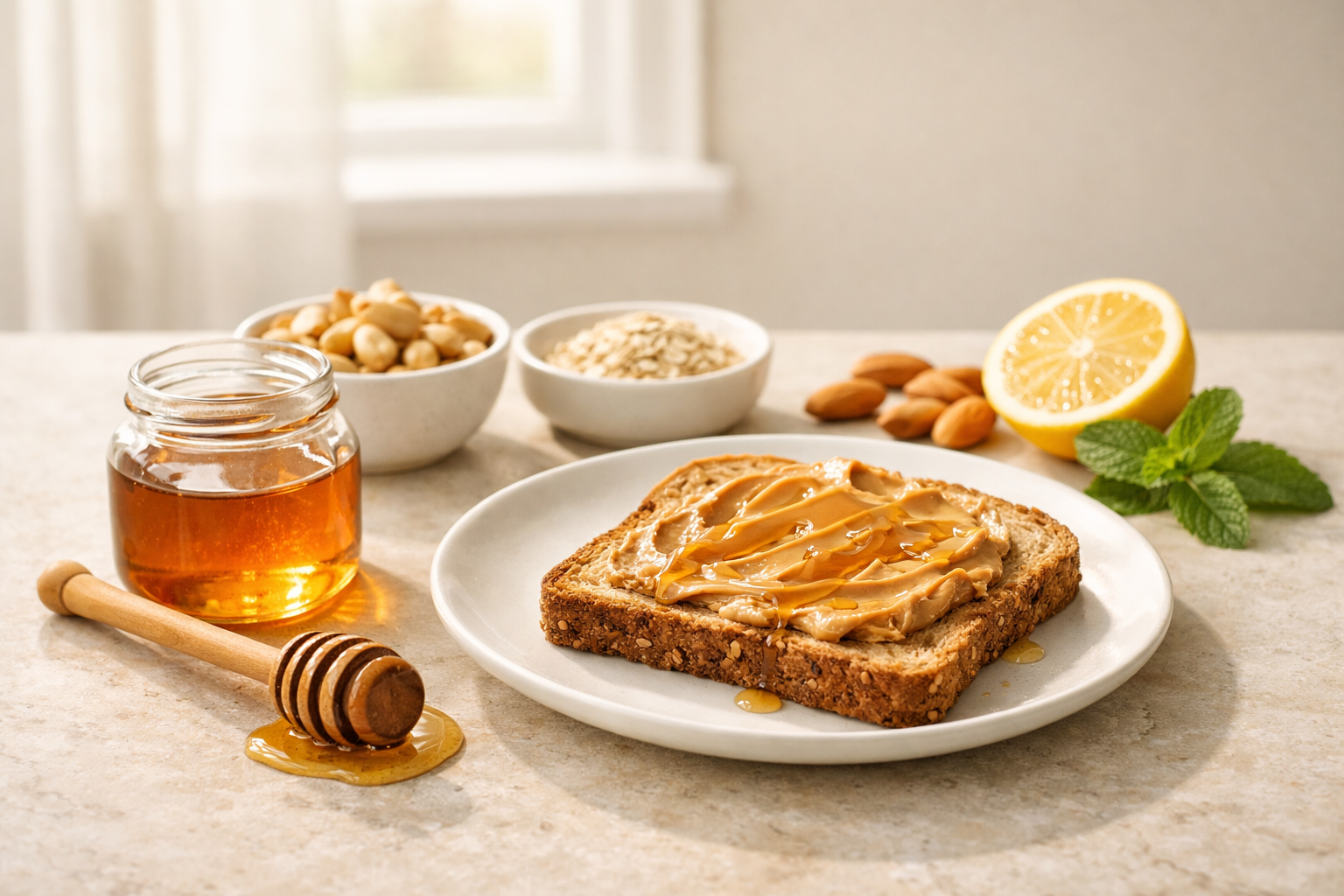
Honey has earned its place in kitchens around the world for good reason. It is naturally sweet, easy to use, and brings more to the table than flavor alone. When used wisely, honey can be a practical part of a balanced diet, whether you are trying to eat cleaner, support your workouts, or simply make everyday meals a little more enjoyable.
For many people, honey is a simple upgrade from refined sugar. It can add depth to breakfast, help fuel an active lifestyle, and offer a few nutritional advantages that make it worth keeping on hand. From its antioxidant properties to its role as a quick source of energy, honey is one of those ingredients that fits both healthy eating and real life.
Why Honey Deserves a Place in a Healthy Diet
Honey is more than a sweet topping. It is a natural sweetener made by bees from plant nectar, and it contains small amounts of beneficial compounds that plain white sugar does not provide. While it should still be used in moderation, honey can be a smart choice when you want sweetness with a little more value.
Unlike many highly processed sweeteners, honey comes with a rich flavor that means you may need less to feel satisfied. A small drizzle can go a long way on toast, yogurt, oatmeal, or fruit. That makes it useful for anyone trying to build healthier habits without giving up foods they enjoy.
A Natural Sweetener With More Character
One of honey’s biggest advantages is simple: it tastes good. That matters because healthy eating is easier to maintain when your meals are satisfying. Honey can help reduce the need for highly processed sweeteners while still giving food the flavor boost people often crave.
It works especially well in everyday meals where you want balance rather than overload. A teaspoon in tea, a light drizzle over peanut butter toast, or a spoonful stirred into plain yogurt can make healthy food feel more complete and enjoyable.
Honey’s Potential Health Benefits
1. Antioxidant Support
Honey contains natural plant compounds, including antioxidants, which help protect the body from oxidative stress. Oxidative stress happens when unstable molecules called free radicals build up faster than the body can manage them. Over time, this can affect general health and recovery.
While honey is not a cure-all, choosing it as part of a nutrient-conscious diet can be a better option than relying on refined sugar alone. Darker varieties of honey often contain more antioxidant compounds, though all types can contribute some beneficial plant-based substances.
2. Antimicrobial Properties
Honey has long been valued for its antimicrobial qualities. In simple terms, this means it may help limit the growth of certain unwanted microorganisms. That is one reason honey has been used traditionally in soothing remedies, especially for the throat.
For everyday wellness, this does not mean honey replaces medical treatment, but it does help explain why it has remained a trusted natural ingredient for so long. Its combination of sweetness, texture, and useful compounds gives it a unique place in both food and home care traditions.
3. Anti-Inflammatory Potential
Honey is also associated with anti-inflammatory effects. Inflammation is a normal body response, but chronic inflammation can be part of many long-term health concerns. Foods that support a balanced diet may help reduce the burden on the body over time.
Adding honey in place of more processed sweeteners can be one small step toward a more wholesome eating pattern. When paired with a diet rich in fruits, vegetables, whole grains, lean proteins, and healthy fats, honey can be part of an overall anti-inflammatory approach.
4. Heart-Healthy in Moderation
Honey can support heart-conscious eating when used in reasonable amounts. Research suggests that replacing refined sugar with honey may offer some advantages for markers related to cardiovascular health. That does not mean honey should be eaten freely, but it can be a more thoughtful choice than highly processed alternatives.
Heart health is built on daily habits: movement, sleep, stress management, and nourishing meals. Honey fits nicely into that bigger picture by helping people enjoy food without depending too heavily on heavily processed sweeteners.
5. A Digestive Aid for Some People
Some people find honey soothing for the digestive system. Its naturally gentle sweetness and easy-to-use form make it popular in warm drinks and simple home remedies. While it is not a treatment for digestive conditions, it can be part of a comfortable, balanced routine.
Honey also pairs well with foods that support digestion, such as yogurt, oats, and fiber-rich fruit. A breakfast bowl topped with honey and berries can feel nourishing without being heavy, which is one reason it remains a favorite in many health-focused kitchens.
6. High-Quality Energy for Athletes and Active People
For athletes, gym-goers, and anyone trying to stay active, honey offers a quick source of energy. Its natural sugars are easy for the body to use, which makes it helpful before training, during long activity sessions, or after exercise when energy needs to be restored.
This is one reason honey has become popular in sports nutrition. It can be a practical option for endurance training, long walks, cycling, running, or strength sessions that leave you needing a quick refuel. Combined with protein and fiber, honey can help create a balanced snack that supports performance and recovery.
Bottom line: honey is not just a sweetener. It is a versatile food that can add value to a healthy diet when used with intention and moderation.
Simple Ways to Add Honey to Your Diet
The best part about honey is how easy it is to use. You do not need a complicated meal plan to benefit from it. Small, consistent choices are often the most sustainable.
- Peanut butter toast: Spread peanut butter on whole-grain toast and add a light drizzle of honey on top.
- Yogurt bowls: Stir honey into plain Greek yogurt with berries, nuts, or seeds.
- Oatmeal: Use honey to sweeten oatmeal naturally instead of reaching for packaged sugar blends.
- Tea and warm drinks: Add a teaspoon to herbal tea or warm lemon water for flavor and comfort.
- Smoothies: Blend a small amount into fruit or protein smoothies for a smoother taste.
- Salad dressings: Mix honey with olive oil, mustard, and vinegar for a simple homemade dressing.
- Pre-workout snack: Pair honey with toast, banana, or yogurt before training for quick fuel.
- Post-workout recovery: Combine honey with protein-rich foods after exercise to help restore energy.
- Healthy baking: Replace part of the sugar in muffins, breads, or energy bites with honey.
- Fruit topping: Drizzle a small amount over apples, pears, or sliced bananas for an easy snack.
If you want the simplest place to start, try honey on top of peanut butter toast. It is quick, satisfying, and easy to adjust based on your goals. Use a little more if you need extra energy, or just a light drizzle if you want a hint of sweetness.
Tips for Choosing and Using Honey Well
Not all honey is the same, and how you use it matters. Choosing a quality product and keeping portions reasonable will help you get the most out of it.
- Choose quality honey: Look for honey that is minimally processed when possible.
- Use it sparingly: Honey is still a sugar source, so small portions are usually best.
- Know when it crystallizes: Crystallization is normal and does not mean the honey has gone bad.
- Store it properly: Keep honey sealed in a cool, dry place.
- Do not give honey to infants under 1 year old: This is an important safety rule.
Remember that even healthier sweeteners should support your goals, not work against them. A balanced diet leaves room for enjoyment, and honey is a good example of a food that can be both enjoyable and useful.
Key Takeaways
- Honey is a natural sweetener that can be used in place of refined sugar in many meals.
- It contains antioxidant compounds and may support overall wellness.
- Honey is known for antimicrobial and anti-inflammatory properties.
- It may be a heart-conscious choice when used in moderation.
- Honey can be a gentle digestive aid for some people and a useful energy source for active individuals.
- Simple uses like honey on peanut butter toast make healthy eating easy to stick with.
Frequently Asked Questions
Is honey healthier than sugar?
Honey can be a better option than refined sugar because it contains small amounts of antioxidants and other natural compounds. That said, it is still a form of sugar and should be used in moderation.
Can honey help with energy before a workout?
Yes. Honey provides quick-digesting carbohydrates, which can make it useful before exercise or during long activity sessions. It is especially helpful when paired with another food such as toast or fruit.
Is raw honey better than regular honey?
Raw honey may retain more natural compounds because it is less processed, but both raw and regular honey can be part of a healthy diet. The best choice often depends on your preferences and how you plan to use it.
How much honey should I eat per day?
There is no single perfect amount for everyone. A teaspoon or two at a time is often enough for flavor and benefits without overdoing sugar intake. The key is moderation and overall diet quality.
Can honey help digestion?
Some people find honey soothing and easy on the stomach, especially in warm drinks or paired with yogurt and oats. It is not a treatment for digestive problems, but it can fit well into a balanced routine.
What is the best way to eat honey every day?
The easiest way is to use it where you would normally reach for sugar: on toast, in tea, stirred into yogurt, or drizzled over fruit. Small, regular uses are often the most sustainable.
Final Thoughts
Honey is a simple ingredient with a lot to offer. It is naturally sweet, versatile, and useful in both everyday meals and active lifestyles. Whether you want to support heart-conscious eating, enjoy a more natural sweetener, or get a quick energy boost before training, honey can fit into your routine in a practical way.
The goal is not to treat honey as a miracle food, but as a smart, enjoyable option that supports a balanced lifestyle. When used thoughtfully, it can help make healthy eating feel less restrictive and more rewarding.
Stay Connected
Like this article? Please share it. Also, register to follow LINKfit and receive our latest articles once a week. LINKfit – Show up.