
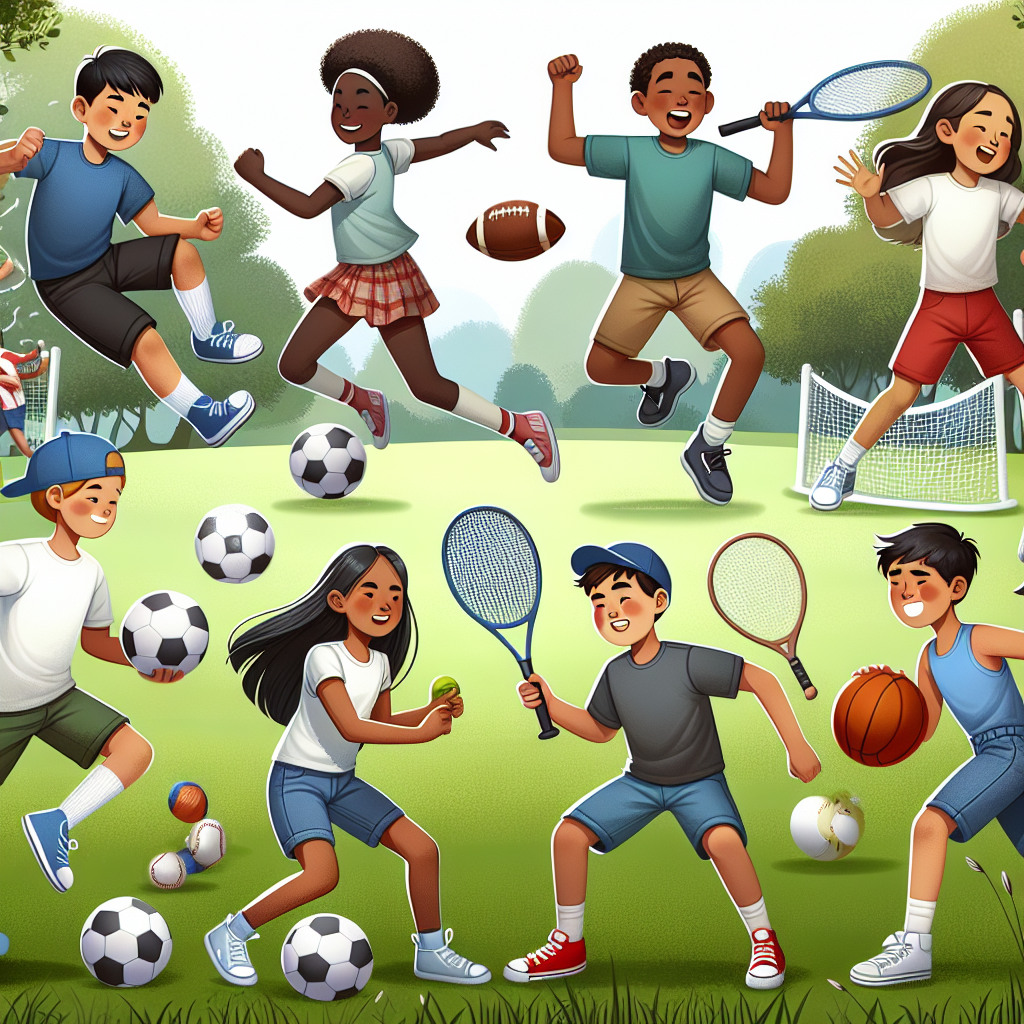
Fitness Starts Early, Becomes Who We Are
Why Active Kids Grow into Healthy Adults
When 10-year-old Lucas laces up his cleats every Saturday morning, he’s not just playing soccer. He’s building a lifelong habit. The same goes for Mia, who spends her afternoons at the local swim club. Whether it’s team sports or solo pursuits, kids who engage in physical activity early on are shaping more than just muscles — they’re shaping identity, lifestyle, and long-term health.
But not all children get that head start. Screens have become the new playground, and it’s showing in the stats. So what really happens when kids grow up with sports — and what happens when they don’t?
The Early Activity Advantage
How Childhood Sports Shape Lifelong Fitness Habits
Research consistently shows that children involved in sports are more likely to stay active as adults. According to the President’s Council on Sports, Fitness & Nutrition, youth who participate in sports are eight times more likely to be active at age 24 than those who do not. This strong link suggests that early exposure to physical activity doesn’t just build coordination — it builds commitment.
Participation in sports during adolescence is also tied to improved mental health, better academic outcomes, and lower risks of chronic disease later in life. These benefits create positive feedback loops, reinforcing the value of staying active.
From Teams to Trails
Why Many Adults Shift from Group Sports to Solo Activities
It’s common for adults who once played team sports to transition into more individual forms of exercise like running, cycling, or yoga. The reason is largely practical: group sports often require coordination, schedules, and teammates — luxuries many adults can’t always afford.
That said, the skills and motivation built through team sports remain. Former players often seek out structured, goal-oriented solo activities because they’re familiar with discipline and enjoy the challenge. A 2018 study published in the Journal of Physical Activity and Health found that 65% of adults who played team sports as kids were still regularly active, often in individual pursuits.
The Screen-Time Struggle
How Digital Devices Are Replacing Playgrounds
The rise of smartphones and gaming among children has created stiff competition for physical activity. According to the CDC, only 24% of American children aged 6–17 meet the recommended 60 minutes of daily physical activity. Meanwhile, screen time among children has increased sharply — with some estimates suggesting kids now spend over seven hours a day on screens.
This trend isn’t just a passing phase. Studies warn that excessive screen time is linked to higher risks of obesity, poor academic performance, and mental health issues. More concerning is that sedentary habits formed in youth often carry into adulthood, making it harder to adopt fitness routines later in life.
Returning to Roots
Why Formerly Active Adults Are More Likely to Reignite Fitness Habits
Life gets busy: careers, parenting, and responsibilities pile up. But adults who were active in their youth often find a way back to fitness. The muscle memory, emotional connection, and self-confidence built through early sports experiences make it easier to re-engage with physical activity, even after long breaks.
A 2015 Canadian study found that adults who participated in organized sports during childhood were significantly more likely to report meeting national physical activity guidelines later in life. Whether it’s joining a local gym or training for a 5K, early exposure makes re-entry less intimidating.
The Takeaway
Fitness isn’t just a phase — it’s a foundation. Children who engage in physical activity, whether through team or individual sports, build habits that often last a lifetime. In contrast, sedentary lifestyles formed in youth can become lifelong hurdles.
Encouraging children to move isn’t just about now — it’s about shaping who they become. So the next time you see a kid kicking a ball, running a lap, or climbing a tree, remember: they’re not just playing. They’re preparing for a healthier life.
Further Reading & Resources
Offers statistics and guidelines on physical activity for children and adolescents.
Peer-reviewed research on trends in youth and adult physical activity.
Insights and tools for increasing youth sports participation across communities.
Global recommendations and data on children’s fitness and health outcomes.