
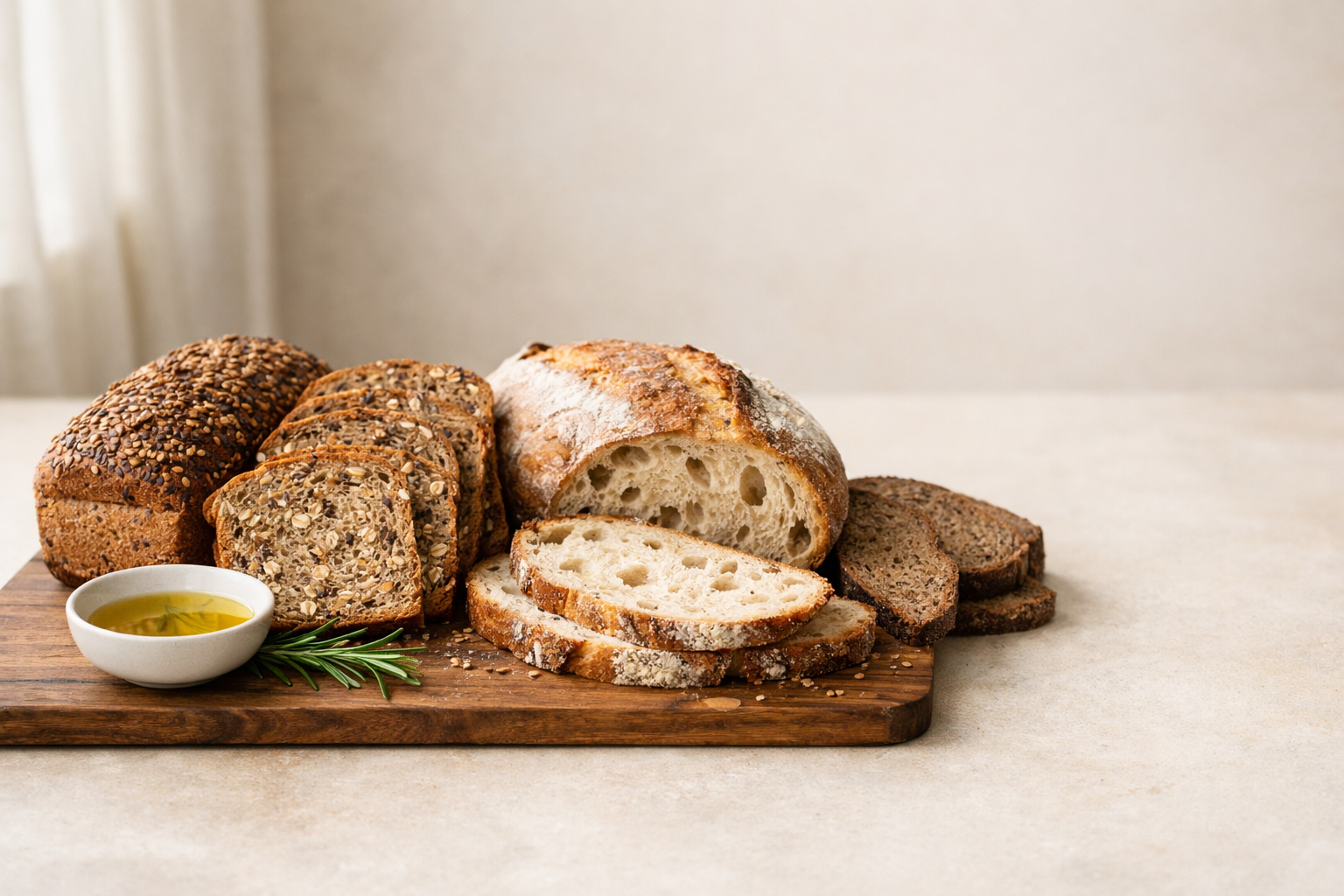
Bread has been a staple of human diets for millennia, yet in modern nutrition conversations it often takes the blame for weight gain, blood sugar swings, and poor diet quality. The reality is more nuanced: not all breads are created equal. Choosing the right types of bread—those that prioritize whole grains, fermentation, and minimal processing—can support energy, gut health, and long-term disease prevention. This article breaks down which breads are smart picks, why they help your health, which ones to avoid, and practical tips for buying and using bread in a balanced eating plan.
Why bread gets a bad rap
Many critiques of bread come from the rise of refined grains, portion excess, and ultra-processed bread products. White breads and sweetened sandwich breads are made from refined flour, stripped of most fiber and many micronutrients, and often include added sugars, emulsifiers, and preservatives. These products spike blood sugar quickly, offer less satiety, and are linked to poorer diet quality.
That said, whole and minimally processed breads can be nutrient-dense carbohydrate sources that fit well into an active, health-focused lifestyle. The key is understanding the differences and how bread interacts with the rest of your meals.
Breads that are winners—and why
Whole-grain breads (100% whole grain)
Whole-grain breads made from 100% whole wheat, barley, oats, or mixed grains keep the bran, germ, and endosperm intact. That means more fiber, B vitamins, minerals like magnesium and iron, and phytonutrients. Fiber slows digestion, improves satiety, and helps regulate blood sugar—useful before workouts or as part of a balanced meal.
Sourdough
Sourdough is made through natural fermentation with wild yeasts and lactic acid bacteria. Fermentation partially breaks down phytic acid and some complex starches, which can improve mineral absorption and lower the bread’s glycemic response. Many people with mild bread sensitivity report better tolerance to properly fermented sourdough (note: not a guarantee for celiac disease).
Sprouted grain breads (e.g., Ezekiel-style)
Sprouted breads start from grains that have germinated, which can increase availability of certain nutrients and reduce antinutrients. These breads tend to be higher in protein and often include legumes and seeds, adding texture, micronutrients, and a fuller amino acid profile.
Rye and pumpernickel
Rye breads (especially whole-grain rye) and pumpernickel have denser textures and different fiber types that contribute to a lower glycemic response compared with standard white bread. They also bring unique flavors and can be especially satisfying in smaller portions.
Seeded and mixed-grain loaves
Breads with a good mix of seeds—flax, chia, pumpkin, sunflower—add healthy fats, fiber, and a protein boost. Seeds also contribute micronutrients such as magnesium and zinc and help increase satiety, which can reduce overall calorie intake at a meal.
Whole-grain flatbreads and wraps
Whole-wheat pitas, chapati, and other flatbreads in whole-grain versions can be excellent vehicles for balanced meals. They are often thinner, which makes portion control easier, and pair well with protein and vegetables.
Gluten-free whole-grain options
For people who must avoid gluten, whole-grain gluten-free breads made from brown rice, buckwheat, sorghum, millet, or teff can be nutritious if they’re minimally processed and high in fiber. Beware of gluten-free white-flour substitutes that are still refined and low in nutrients.
Breads to avoid
- White sandwich bread and rolls made from refined flour with little fiber and frequent added sugars.
- Sweetened breads (e.g., honey-sweet rolls, raisin breads with added sugar, brioche) that add unnecessary calories and raise blood sugar quickly.
- Ultra-processed sliced loaves with long ingredient lists—think preservatives, emulsifiers, and added oils—often marketed as “light” or “soft.”
- Highly refined wraps and tortillas made from enriched flour with low fiber.
- Breads with excessive sodium or added fats such as some focaccias and garlic breads.
How the right breads support health
- Better blood sugar control: Whole grains and fermented breads typically have lower glycemic impact than refined breads, especially when paired with protein and fat.
- Improved satiety and weight management: Fiber-rich breads help you feel full longer, which can reduce snacking and overeating.
- Gut and mineral health: Fermentation and sprouting reduce phytic acid, enhancing iron, zinc, and magnesium absorption. Prebiotic fibers may support beneficial gut bacteria.
- Cardiometabolic benefits: Regular whole-grain intake is associated with lower risk of heart disease, type 2 diabetes, and certain chronic conditions in population studies.
Practical shopping and eating tips
- Read the ingredient list: The first ingredient should be a whole grain (e.g., “100% whole wheat”). Shorter ingredient lists with recognizable items are better.
- Check fiber: Aim for breads with at least 3–5 grams of fiber per slice or serving. More fiber usually equals more satiety and a gentler blood sugar response.
- Watch added sugars and sodium: Keep added sugar low (ideally 0–3 g per slice) and be mindful of sodium if you’re watching blood pressure.
- Choose sourdough or sprouted when possible: These processes can enhance nutrient availability and digestion.
- Portion control matters: Two thin slices of whole-grain bread are usually sufficient for a meal; balance with protein and vegetables to create a complete plate.
- Freeze to extend freshness: Freeze sliced loaves or extra buns and toast from frozen to reduce waste and prevent relying on less-healthy convenience options.
- Pair wisely: Combine bread with lean protein, healthy fats, and veg (e.g., turkey and avocado on whole-grain sourdough) to blunt glucose spikes and keep energy steady.
Key takeaways
- Not all bread is bad—whole-grain, sourdough, sprouted, and seeded breads are nutrient-dense choices.
- Look for “100% whole grain,” short ingredient lists, and higher fiber content when shopping.
- Avoid refined white breads and ultra-processed varieties with added sugars and long ingredient lists.
- Portion control and pairing bread with protein and vegetables improve blood sugar control and satiety.
Frequently asked questions
Is sourdough healthier than whole-wheat bread?
Sourdough offers benefits due to fermentation—reduced phytic acid and a potentially lower glycemic response. However, a 100% whole-wheat loaf still provides substantial fiber and micronutrients. The best choice depends on ingredient quality and personal tolerance.
Is sprouted grain bread worth the extra cost?
Sprouted breads can increase nutrient availability and often contain more protein and fiber. If your budget allows, they are a worthwhile option—especially for people seeking extra satiety and a denser nutrient profile.
Can bread be part of a weight-loss diet?
Yes. Choosing high-fiber, whole-grain breads in controlled portions and pairing them with protein and vegetables can fit into a calorie-controlled plan and help manage hunger.
What if I’m gluten intolerant?
For celiac disease, strictly avoid gluten. If you have non-celiac gluten sensitivity, some people tolerate sourdough or gluten-free whole-grain breads better. Always choose minimally processed gluten-free options rich in fiber and whole grains where possible.
How many slices of bread is too much?
There’s no one-size-fits-all number—depends on activity level, calorie needs, and meal composition. For many active adults, 1–3 slices per day can fit into a balanced diet when paired with protein, healthy fats, and vegetables.
Call to action
Looking to upgrade your bread choices? Start by swapping refined white loaves for 100% whole-grain, sourdough, or sprouted options this week. For practical meal ideas and branded essentials that fit an active lifestyle, explore LINKfit exclusives and our blog for recipes and shopping tips designed for performance and health.