
Getting enough protein can feel surprisingly hard, especially if you are trying to stay fit without overeating. That challenge becomes even more important as we age. For older adults, protein is not just about muscle building in the gym; it is about preserving strength, independence, balance, and recovery. As the body gets older, it becomes less efficient at using protein to maintain muscle, which means seniors often need more high-quality protein than they did earlier in life.
That can sound complicated, but it does not have to be. With the right food choices and a smart training routine, seniors can meet their protein needs without constantly feeling overly full. The key is to be intentional: choose protein-dense foods, spread intake throughout the day, and pair nutrition with regular exercise.
Why protein matters so much for seniors
Protein is made up of amino acids, which are used to repair tissue, support immune function, build enzymes and hormones, and maintain muscle mass. For older adults, muscle preservation becomes especially important because age-related muscle loss can happen gradually and quietly.
This loss of muscle mass and strength is called sarcopenia. Sarcopenia increases the risk of falls, weakness, slower recovery, reduced mobility, and loss of independence. Even if a senior stays fairly active, aging can make it harder to maintain lean tissue unless protein intake and resistance exercise are both strong enough.
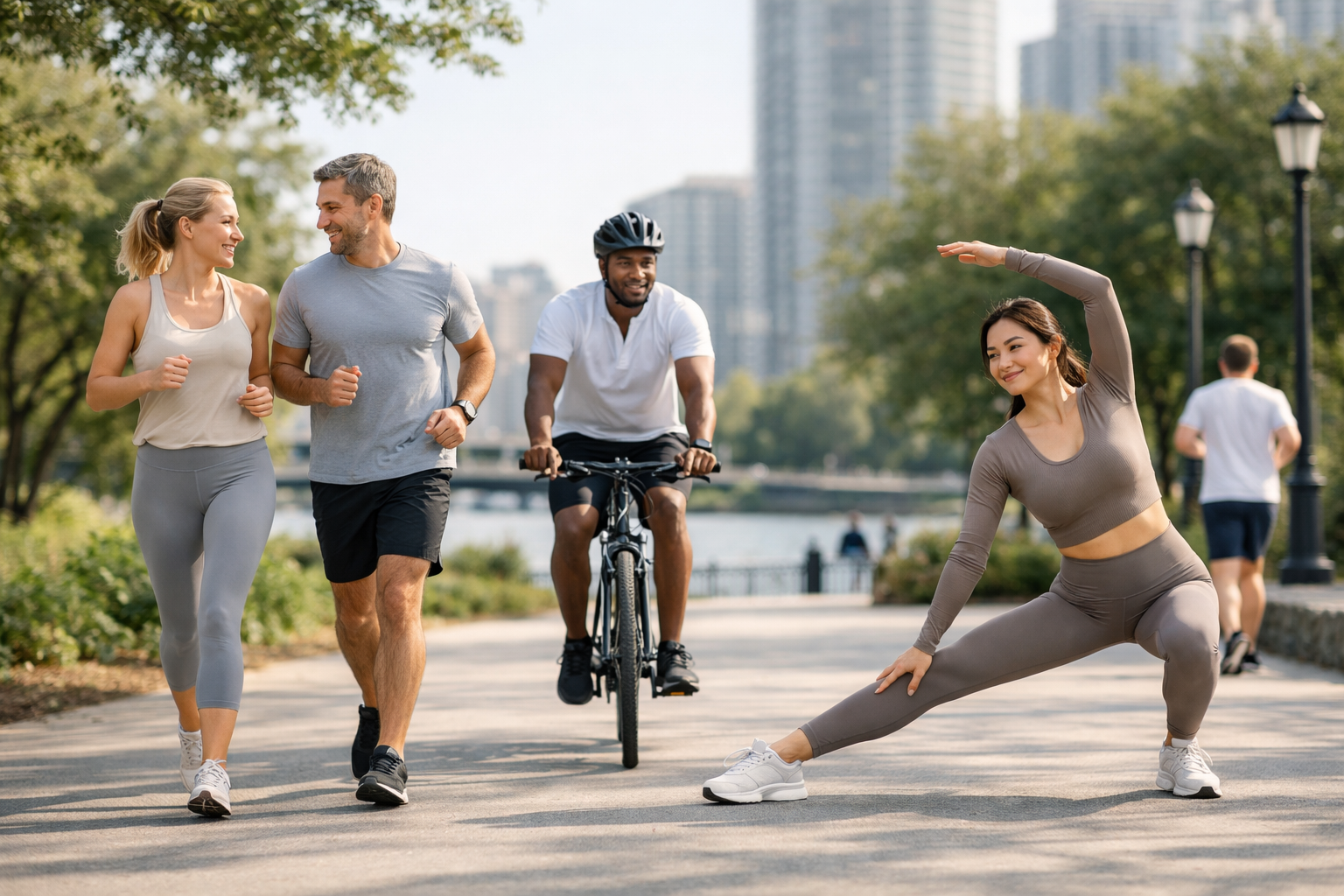
In older adults, protein works best when it is paired with movement. Nutrition supports the muscle; exercise gives the muscle a reason to stay.
Another factor is something often called anabolic resistance. In simple terms, aging muscle does not respond as strongly to protein as younger muscle does. That means seniors may need slightly more protein per pound of body weight, and they may benefit from eating protein more evenly across the day instead of loading it all into one meal.
How much protein do active seniors need?
There is no single number that fits everyone, but a practical range for active older adults is often around 1.2 to 1.6 grams of protein per kilogram of body weight per day. For seniors who exercise regularly, that range is often more useful than the basic minimum recommended for sedentary adults.
Here is how that looks:
A 72-year-old man at 170 pounds who works out daily
170 pounds is about 77 kilograms. At 1.2 to 1.6 grams per kilogram, that works out to roughly 95 to 125 grams of protein per day. That is a solid target for a senior who trains daily and wants to maintain or build muscle.
A 72-year-old woman at 115 pounds who works out daily
115 pounds is about 52 kilograms. Using the same active-senior range, her target would be about 65 to 85 grams of protein per day. If she is consistently strength training, recovering well, and staying lean, aiming toward the middle or upper part of that range can be helpful.
These are general goals, not rigid rules. Appetite, medical conditions, medications, kidney health, total calories, and training load all matter. If someone has kidney disease or other health concerns, they should speak with a clinician before making a major change to protein intake.
How to get enough protein without overeating
The biggest practical challenge is that many protein-rich foods also come with fat or volume, which can make it easy to feel full before hitting your target. The solution is not to eat huge portions at every meal. Instead, focus on protein density and better distribution.
1. Build each meal around a protein anchor
Start with the protein first, then add vegetables, fruit, whole grains, or healthy fats as needed. This makes it easier to reach your goal without overdoing calories.
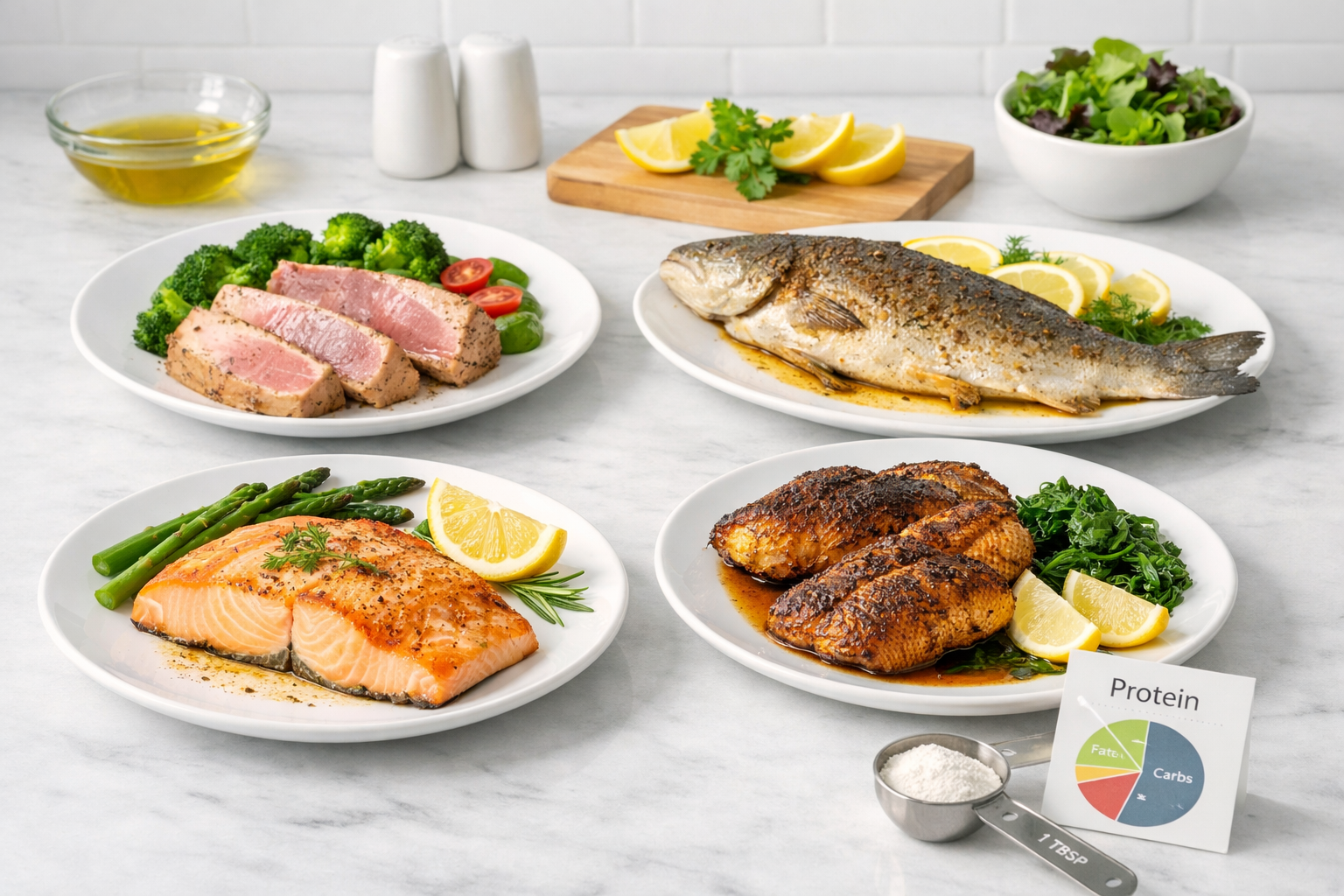
Good protein anchors include:
- Greek yogurt
- Cottage cheese
- Eggs and egg whites
- Chicken breast or turkey
- Fish like salmon, tuna, cod, and sardines
- Lean beef or pork
- Tofu, tempeh, and edamame
- Beans, lentils, and chickpeas
- Milk, kefir, or protein-fortified dairy alternatives
- Whey or plant protein shakes when food alone is not enough
2. Spread protein across the day
Older adults often do better with protein spread over three to four eating occasions rather than one big dinner. A useful target is 25 to 35 grams per meal for many active seniors, with snacks filling the gaps.
That approach helps the body stimulate muscle protein synthesis more than a pattern where breakfast is light and dinner does all the heavy lifting.
3. Use protein-rich snacks strategically
Snacks are not just for hunger. They are a chance to add 15 to 25 grams of protein without making meals huge.
- Greek yogurt with berries
- Cottage cheese with fruit
- A protein shake after a workout
- Hard-boiled eggs
- Turkey roll-ups
- Edamame
- String cheese with a piece of fruit
4. Choose leaner protein sources when calories are limited
If you are trying to avoid overeating, lean proteins are your friend. They provide more protein for fewer calories than fattier cuts of meat or heavily processed options. That does not mean you need to avoid healthy fats, but it helps to balance them carefully.
5. Consider a simple sample day
Here is what a higher-protein day can look like without becoming excessive:
- Breakfast: Greek yogurt with berries and a small handful of nuts, plus an egg on the side = about 25 grams
- Lunch: Grilled chicken salad with beans = about 30 grams
- Snack: Cottage cheese or a protein shake = about 20 grams
- Dinner: Salmon with vegetables and quinoa = about 30 grams
That adds up to about 105 grams, which is right in range for the 170-pound active senior. The same structure can be scaled down for the 115-pound woman by slightly reducing portions while keeping protein present at each meal.
Other things seniors can do besides just protein
Protein is important, but it is not the whole story. Muscle is built and maintained through a combination of nutrition, movement, recovery, and overall lifestyle habits.
Strength training is essential
If there is one thing that pairs best with protein, it is resistance exercise. Walking is excellent for heart health, but it does not create the same muscle-building signal as lifting weights, using machines, bodyweight training, or resistance bands.
For seniors, the goal is not just to “work out.” It is to challenge muscles enough to tell the body they still matter. That means progressive overload when possible: gradually increasing resistance, repetitions, or training complexity over time.
A well-rounded routine might include:
- 2 to 4 days per week of resistance training
- Balance work to support stability and reduce fall risk
- Mobility and flexibility work to maintain range of motion
- Regular walking or cycling for cardiovascular health
Recovery matters more with age
Older adults often need more recovery time between hard sessions. That does not mean training less effectively; it means training more intelligently. Sleep, hydration, and enough total calories all play a role in how well the body uses protein and repairs muscle.
Do not under-eat overall
Some seniors unintentionally eat too little because appetite declines with age. If total calories are too low, the body may break down muscle even if protein intake is decent. A balanced diet with enough energy, not just enough protein, is important for strength and recovery.
Supportive nutrients can help
Protein works best alongside other nutrients that support aging well, including:
- Vitamin D for muscle and bone health
- Calcium for skeletal support
- Omega-3 fats for overall health and recovery
- Magnesium and potassium for muscle function
- Hydration for performance and recovery
These do not replace protein, but they help the body use it well.
Key takeaways
- Protein becomes more important with age because seniors are more vulnerable to muscle loss and sarcopenia.
- Active older adults often need more than the basic protein minimum.
- A 72-year-old man at 170 pounds who works out daily may need about 95 to 125 grams per day.
- A 72-year-old woman at 115 pounds who works out daily may need about 65 to 85 grams per day.
- Spreading protein across the day can make it easier to meet goals without overeating.
- Resistance training, sleep, hydration, and enough calories are just as important as protein for preserving muscle.
FAQ
How much protein should seniors eat at each meal?
Many active seniors do well with about 25 to 35 grams per meal, depending on body size, appetite, and activity level. Smaller older adults may need a bit less per meal, but the goal is still to get enough across the whole day.
Can seniors build muscle after 70?
Yes. Muscle building is still possible in the 70s, 80s, and beyond. Progress may be slower than it was earlier in life, but consistent resistance training, adequate protein, and recovery can still produce meaningful improvements in strength and function.
Is more protein always better?
Not necessarily. More is not always better if it crowds out other important foods or exceeds what your body can use. The goal is enough protein to support muscle and recovery, paired with a balanced diet and a realistic calorie intake.
Are protein shakes a good option for seniors?
Yes, especially when appetite is low or meals are hard to prepare. A shake is not required, but it can be a convenient way to add 20 to 30 grams of protein without making meals too large.
What is the best exercise for preventing sarcopenia?
Resistance training is the most important form of exercise for slowing sarcopenia. Walking, cycling, and other cardio activities are beneficial too, but they should complement strength work rather than replace it.
Final thoughts
For seniors, getting enough protein is less about following a trendy diet and more about protecting strength, mobility, and independence. The good news is that you do not need massive meals to make it happen. With the right protein-rich foods, smart meal timing, and regular exercise, it is possible to hit your target without overeating.
Protein helps preserve the body, but movement tells the body to keep that muscle in the first place. That is why the best approach for aging well is not protein alone. It is protein plus resistance training, recovery, and a sustainable daily routine.
Stay connected
Like this article? Please share it. Also, register to follow LINKfit and receive the latest articles once a week.
LINKfit – Show up.