
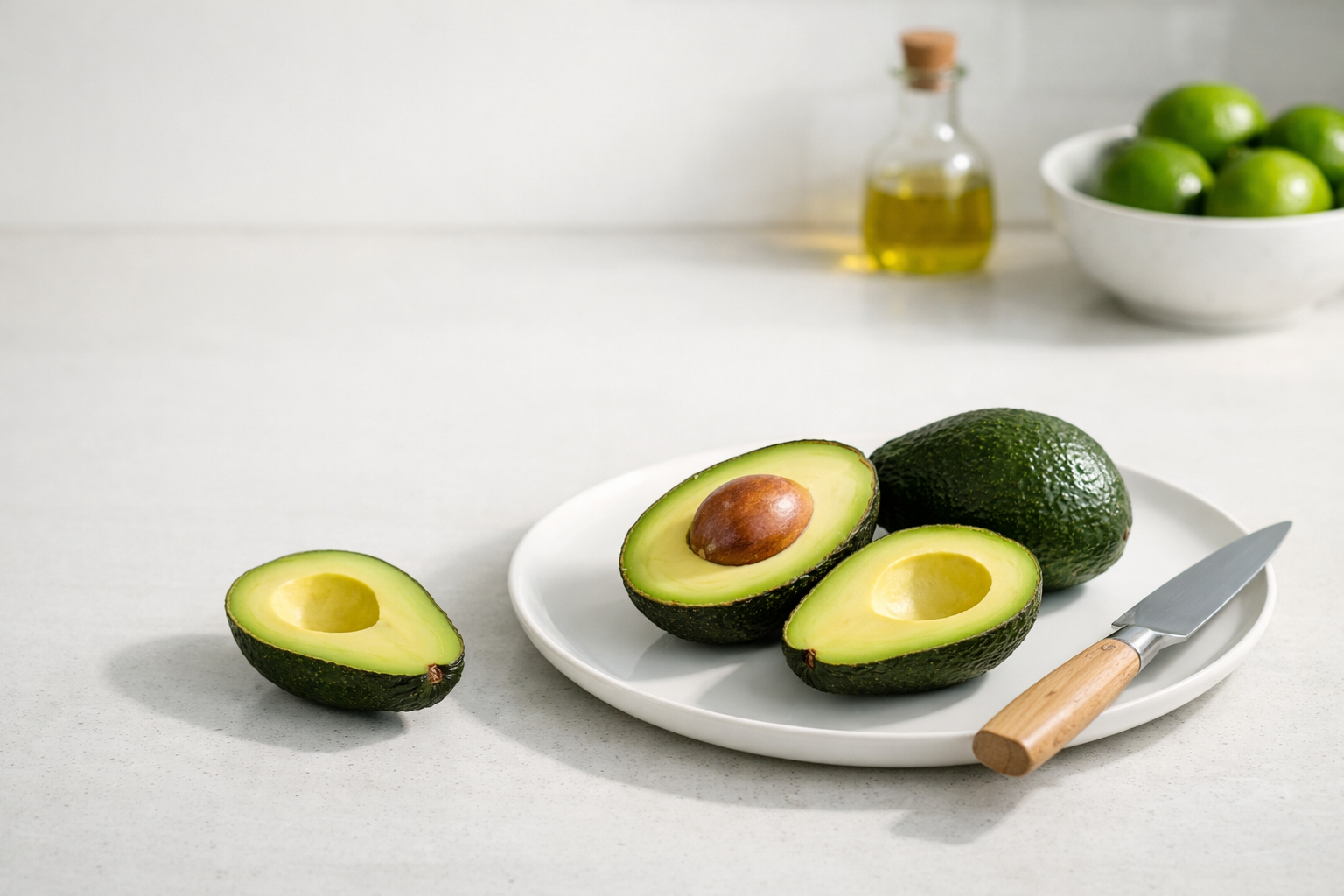
Avocados have built a reputation as a “superfood,” and for good reason. They’re creamy, satisfying, and packed with nutrients that support heart health, digestion, recovery, and overall performance. But the real question is not just whether avocados are popular — it’s whether they are actually good for you. The short answer is yes, especially when they are eaten as part of a balanced, active lifestyle.
For people who want to feel better, move better, and perform better — whether that means lifting weights, running, playing golf, or simply keeping up with daily life — avocados can be a smart addition to the plate. They are nutrient-dense, versatile, and easy to work into meals and snacks without much effort.
Why avocados are considered so nutritious
Avocados are often praised for their healthy fat content, but they offer much more than that. They provide a combination of fiber, vitamins, minerals, and beneficial plant compounds that make them stand out from many other fruits.
1. They provide heart-healthy fats
One of the biggest reasons avocados are so valued is their fat profile. Most of the fat in avocados is monounsaturated fat, especially oleic acid, which is the same type of fat found in olive oil. This type of fat is associated with better heart health when it replaces more processed or saturated fats in the diet.
Healthy fats also help with nutrient absorption. That means if you eat avocado with vegetables, eggs, or whole grains, you may absorb more of certain fat-soluble nutrients such as vitamins A, D, E, and K.
2. They are high in fiber
Avocados are an excellent source of fiber, which helps support digestion, bowel regularity, and appetite control. Fiber also plays an important role in heart health and healthy blood sugar management.
Many people do not eat enough fiber each day. Adding avocado to meals can be a simple way to increase intake without relying on supplements or complicated meal planning.
3. They contain important vitamins and minerals
Avocados provide a range of nutrients that support overall health, including:
- Potassium — important for fluid balance, muscle function, and healthy blood pressure
- Vitamin K — helps with normal blood clotting and bone health
- Vitamin E — an antioxidant that helps protect cells from oxidative stress
- Vitamin C — supports immune function and tissue repair
- Folate — important for cell growth and development
- Vitamin B6 — helps the body use energy from food and supports metabolism
That nutrient combination makes avocados especially useful for people who want foods that do more than simply fill them up.
4. They support satiety and weight management
Avocados are calorie-dense, which means they provide a lot of energy in a relatively small serving. That is not a bad thing, but it does mean portion awareness matters. The good news is that the combination of fat and fiber can help you feel satisfied longer.
If you often find yourself reaching for snacks soon after a meal, adding avocado in moderation may help you stay full and reduce mindless snacking later in the day.
5. They may help with recovery and performance
For active adults, athletes, and anyone trying to return to better conditioning, avocados can be a practical fuel source. They are not a high-protein food, but they pair well with protein-rich meals and can help create a more balanced recovery plate.
The potassium in avocados is also useful for people who sweat during workouts. While bananas get most of the attention in this category, avocados are another smart food to include in a performance-focused eating pattern.
Practical note: Avocados are healthy, but they are still energy-dense. A sensible portion — often about one-third to one-half of a medium avocado — is enough to get the benefits without overdoing calories.
Are avocados good for everyone?
In most cases, yes. Avocados can fit into nearly any balanced diet, from weight-loss plans to muscle-building routines. They are naturally gluten-free, plant-based, and easy to pair with many foods.
That said, there are a few things to keep in mind:
- If you are tracking calories closely, portion size matters.
- If you have a latex allergy, some people may also react to avocados.
- If you have specific digestive sensitivities, large portions may feel heavy because of the fat and fiber content.
For most people, the bigger issue is not whether avocado is healthy — it is how much and how often it is being eaten within the full context of the diet.
How to incorporate avocados into meals and snacks
One of the best things about avocados is how easy they are to use. They work in breakfast, lunch, dinner, and snack recipes, and they can be used in both sweet and savory combinations.
Breakfast ideas
- Avocado toast with whole-grain bread, eggs, and a sprinkle of salt and pepper
- Breakfast bowl with avocado, scrambled eggs, spinach, and roasted potatoes
- Smoothie add-in for a creamy texture with banana, berries, protein powder, and milk of choice
- Egg wrap with avocado, turkey, and vegetables
Breakfast is a great place to include avocado if you want more staying power through the morning. It pairs well with protein and complex carbohydrates, which helps create a more balanced meal.
Lunch ideas
- Salads topped with avocado, grilled chicken, tuna, salmon, or beans
- Rice bowls with avocado, lean protein, vegetables, and salsa
- Sandwiches and wraps using mashed avocado instead of mayonnaise
- Grain bowls with quinoa, chickpeas, greens, and avocado slices
For busy people, avocado can make a simple lunch feel more complete. It adds flavor, texture, and satisfaction without requiring a lot of preparation.
Dinner ideas
- Top grilled salmon or chicken with avocado salsa
- Add sliced avocado to tacos, burrito bowls, or fajita plates
- Use avocado in a side salad with olive oil and lemon
- Serve with roasted vegetables and a lean protein for a balanced plate
Avocado can be especially useful at dinner if you are trying to keep meals satisfying while still emphasizing whole foods and portion control.
Snack ideas
- Avocado on whole-grain crackers with a sprinkle of everything seasoning
- Guacamole with vegetables such as carrots, cucumbers, and bell peppers
- Avocado and cottage cheese on toast for a higher-protein snack
- Avocado with tuna or chicken salad for a more filling option
If you tend to snack between meals, avocado can help make those snack choices more nourishing and less processed.
Easy ways to get the most from avocados
To enjoy avocados as part of a healthy routine, think balance instead of excess. A few simple habits can make a big difference.
- Pair avocado with protein. Eggs, Greek yogurt, chicken, fish, tofu, or beans create a more balanced meal.
- Use it to replace less nutrient-dense fats. Swap avocado for mayonnaise, creamy sauces, or highly processed spreads when possible.
- Watch your portion size. A little goes a long way, especially if the rest of your meal is already calorie-dense.
- Use it to improve meal quality. Add it to a basic meal to make it more satisfying and nutrient-rich.
- Choose ripe avocados when possible. They are easier to mash, slice, and blend into meals.
Key takeaways
- Avocados are nutritious, versatile, and easy to fit into a healthy eating plan.
- They provide healthy fats, fiber, potassium, and several important vitamins.
- They can support satiety, digestion, heart health, and balanced energy.
- Portion size matters because avocados are calorie-dense.
- They work well in breakfast, lunch, dinner, and snack recipes.
FAQ
Are avocados really healthy or just trendy?
They are genuinely healthy. Avocados contain beneficial fats, fiber, and important nutrients that support overall wellness. Their popularity may be trendy, but their nutritional value is real.
Can I eat avocado every day?
Yes, most people can enjoy avocado daily as part of a balanced diet. The key is keeping portions reasonable and making sure the rest of your meals include a variety of nutrient-dense foods.
Will avocado make me gain weight?
Not by itself. Weight gain comes from consistent calorie surplus over time. Because avocados are calorie-dense, larger portions can add up quickly, so moderation is important.
What is the healthiest way to eat avocado?
The healthiest way is usually the simplest: paired with whole foods such as eggs, vegetables, lean protein, whole grains, or legumes. Avoid loading it with large amounts of sodium-heavy toppings or processed ingredients.
Is avocado good after a workout?
Yes, especially when paired with protein and carbohydrates. Avocado can support a balanced recovery meal, though it should not be your only post-workout food because it is low in protein.
Final thoughts
Avocados are more than just a social media food trend. They are a practical, nutrient-rich option that can support a healthy, active lifestyle. Whether your goal is better heart health, improved meal satisfaction, more balanced energy, or smarter recovery nutrition, avocado can earn a regular place in your kitchen.
The best approach is simple: use avocado intentionally, keep portions sensible, and pair it with other whole foods. That way, you get the benefits without overcomplicating your meals.
Stay connected
Like this article? Please share it. Also, register to follow LINKfit and receive our latest articles once a week. LINKfit – Show up.