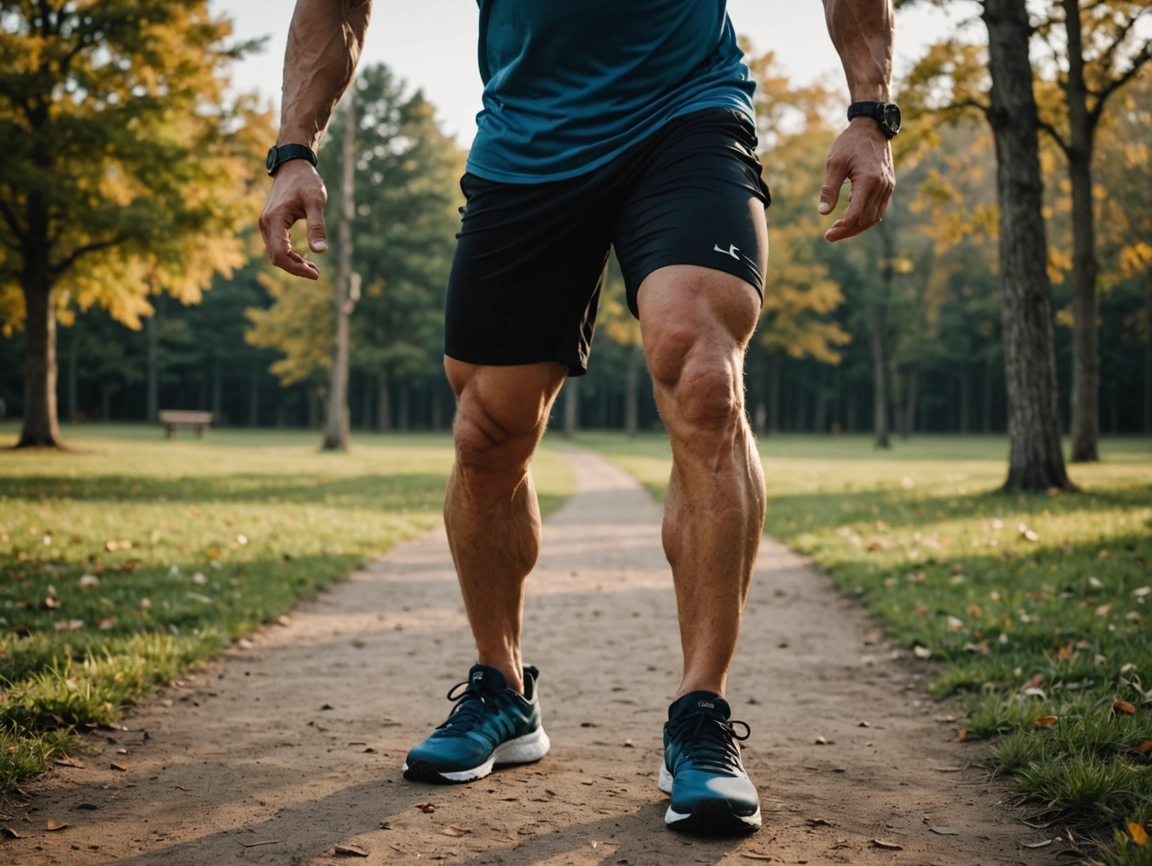
Strong legs do more than shape your lower body. They give you a foundation for how you move every day, how you train, and how well you age. From climbing stairs and carrying groceries to sprinting, jumping, and changing direction in sport, your legs are involved in almost everything that asks your body to generate force, absorb impact, and stay balanced.
When your glutes, thighs, and calves are strong and well-conditioned, movement feels more stable and efficient. You can walk with more confidence, stand for longer periods with less fatigue, and protect your joints by sharing the workload across the muscles that are meant to do the job. Whether you are a beginner, returning to fitness, or trying to get back to the shape you once had, leg strength is one of the best investments you can make.
Why strong legs matter
Think of your legs as the base of a building. If the base is weak, everything above it has to compensate. That can affect posture, mobility, balance, and even your upper-body training. Strong legs help create the support system your body needs to move well.
In daily life, leg strength helps with simple but important tasks:
- Rising from a chair or getting off the floor
- Carrying children, bags, or groceries
- Climbing stairs and walking hills
- Maintaining balance on uneven ground
- Reducing fatigue during long periods of standing or walking
In sport and exercise, stronger legs help with speed, power, control, and injury resilience. Whether you run, lift, play court sports, or enjoy weekend hikes, your lower body is doing the heavy lifting. Strong glutes, thighs, and calves help you produce force, absorb landing stress, and change direction more safely and effectively.
Strong legs are not just about performance. They are about freedom of movement, confidence, and staying capable for the long run.
The main muscle groups to train
Lower-body strength is not just one thing. A good routine should target the major muscles that work together during walking, squatting, jumping, and climbing.
Glutes
Your glutes help extend the hips, stabilize the pelvis, and drive powerful movement. Strong glutes are essential for good posture, running mechanics, and protecting the lower back and knees from doing too much.
Thighs
The quadriceps on the front of the thigh help with standing, walking, and rising from a seated position. The hamstrings at the back of the thigh assist with hip extension and knee control. Balanced thigh strength supports smooth, coordinated movement.
Calves
Your calf muscles help with ankle stability, walking, jumping, and pushing off the ground. Many people overlook them, but calves play a big role in balance, stride efficiency, and lower-leg resilience.
Bodyweight exercises to build a stronger lower body
You do not need a gym to build a solid foundation. Bodyweight training is an excellent place to start and can be challenging enough for experienced exercisers when done with good control, tempo, and range of motion.
1. Squats
The squat is one of the best all-around lower-body exercises. It trains the glutes, quadriceps, and hips while teaching your body to sit back and stand up with control.
How to do it: Stand with your feet about shoulder-width apart, brace your core, and lower your hips as if sitting into a chair. Keep your chest tall and your knees tracking in line with your toes. Drive through your feet to stand back up.
Tip: If balance is an issue, hold onto a stable surface lightly or squat to a chair.
2. Reverse lunges
Reverse lunges build single-leg strength and balance. They are often easier on the knees than forward lunges, making them a practical choice for many people.
How to do it: Step one foot back, lower the back knee toward the floor, then push through the front heel to return to standing. Alternate sides.
3. Glute bridges
Glute bridges strengthen the glutes and help activate the posterior chain, which includes the muscles on the back side of the body.
How to do it: Lie on your back with your knees bent and feet flat. Press through your heels, squeeze your glutes, and lift your hips until your body forms a straight line from shoulders to knees. Lower slowly.
4. Step-ups
Step-ups mimic everyday movement, especially stair climbing. They are great for leg strength, coordination, and hip stability.
How to do it: Step onto a sturdy bench or box with one foot, drive through the working leg, and stand tall before stepping down with control.
5. Calf raises
Calf raises are simple but highly effective. They improve ankle strength, lower-leg endurance, and push-off power.
How to do it: Stand tall and lift your heels off the floor as high as possible. Pause briefly at the top, then lower with control. You can do these on both legs or one leg at a time.
Weighted exercises for more strength and power
Once bodyweight movements feel comfortable, adding resistance can help you build more muscle, improve force production, and continue progressing. Start light and focus on technique before increasing load.
1. Goblet squats
Holding a dumbbell or kettlebell at chest level adds load to the squat while encouraging a tall posture. This exercise is excellent for beginners and more advanced lifters alike.
Best for: Glutes, thighs, and core stability.
2. Dumbbell Romanian deadlifts
This is a powerful hip-hinge movement that strengthens the glutes and hamstrings. It is especially useful for improving posterior chain strength.
How to do it: With a slight bend in the knees, push your hips back while lowering the weights along the front of your legs. Keep your back neutral and stand by driving the hips forward.
3. Weighted split squats
Split squats challenge each leg independently, which can help correct imbalances and improve stability. Holding dumbbells increases the training effect.
Tip: Keep your torso tall and control the descent. The front leg should do most of the work.
4. Hip thrusts
Hip thrusts are one of the best exercises for glute development. They place a strong emphasis on hip extension and can be loaded progressively over time.
How to do it: Position your upper back on a bench, place a weight across your hips, and drive up through your heels until your hips are fully extended. Squeeze at the top, then lower with control.
5. Weighted calf raises
Holding dumbbells or using a machine makes calf raises more effective for building strength and endurance in the lower legs.
Tip: Use a full range of motion. Lower your heels slowly and pause at the top.
How to train legs effectively
Leg training works best when it is consistent, balanced, and progressive. You do not need to destroy your legs every session to make progress. What matters most is good form, enough volume, and regular effort over time.
Try building your lower-body sessions around these principles:
- Train 2 to 3 times per week with at least one recovery day between harder sessions.
- Start with compound movements like squats, lunges, or deadlifts before isolation work such as calf raises.
- Use controlled reps instead of rushing through the exercise.
- Progress gradually by adding repetitions, load, or improved range of motion.
- Balance both sides with single-leg work to reduce asymmetries.
A simple lower-body workout might look like this:
- Squats or goblet squats: 3 sets of 8 to 12 reps
- Reverse lunges or split squats: 3 sets of 8 to 10 reps per side
- Glute bridges or hip thrusts: 3 sets of 10 to 15 reps
- Romanian deadlifts or step-ups: 3 sets of 8 to 12 reps
- Calf raises: 3 sets of 15 to 20 reps
If you are returning after time away from training, begin with bodyweight movements and a smaller number of sets. If you are more experienced, you can increase the challenge with tempo work, heavier loads, or single-leg variations.
Good form matters more than ego
Strong legs are built with patience. It is tempting to chase heavier weights or more intense workouts, but technique should always come first. Proper alignment helps you train the target muscles and reduces the chance of unnecessary strain.
Keep these cues in mind:
- Keep your feet planted and stable
- Brace your core before each repetition
- Move through a comfortable, controlled range of motion
- Let your knees track naturally with your toes
- Use smooth breathing rather than holding tension too long
If you feel pain rather than normal muscle effort, stop and reassess your form or range of motion. Small adjustments can make a big difference.
Key takeaways
- Strong legs are the foundation of everyday movement and athletic performance.
- Glutes, thighs, and calves all matter for stability, power, balance, and joint support.
- Bodyweight exercises like squats, lunges, glute bridges, step-ups, and calf raises are excellent for beginners and can still challenge advanced trainees.
- Weighted exercises such as goblet squats, Romanian deadlifts, hip thrusts, and weighted split squats help build more strength and muscle.
- Consistency and good form are more important than training hard once in a while.
FAQ
How often should I train my legs?
For most people, 2 to 3 leg sessions per week is enough to build strength and see progress. If you are also doing a lot of running, sports, or other lower-body activity, you may need to adjust volume so you can recover well.
Can I build strong legs without weights?
Yes. Bodyweight movements can build a solid foundation, especially if you use proper form, slow tempo, single-leg variations, and enough repetitions. Over time, many people eventually benefit from adding resistance, but it is not required to get started.
What is the best exercise for glutes?
Hip thrusts and glute bridges are among the best exercises for directly targeting the glutes. Squats, lunges, and Romanian deadlifts also contribute strongly because they train the glutes as part of larger movement patterns.
Why are calf muscles important?
Calf muscles support ankle stability, walking mechanics, jumping, and balance. Strong calves help you push off the ground efficiently and can reduce fatigue in daily movement and sport.
What if I have not trained in years?
Start with simple bodyweight exercises and focus on consistency rather than intensity. Choose a comfortable range of motion, keep the reps moderate, and build up gradually. If needed, work with a qualified fitness professional to adapt exercises to your needs.
Move better by building from the ground up
Strong legs are about more than looking athletic. They help you move with purpose, stay independent, and perform better in the activities that matter to you. The good news is that lower-body strength is highly trainable at any age. You can begin with bodyweight basics, progress to weighted exercises, and continue improving with time and consistency.
Whether your goal is to walk without getting tired, return to the gym, improve your sport performance, or simply feel more stable and capable in your daily life, your legs are the place to start.
Stay consistent with your foundation
Like this article? Please share it. Also, register to follow LINKfit and receive our latest articles once a week. LINKfit – Show up.